
Experiential Food and Drink Events Are Redefining Social Gatherings
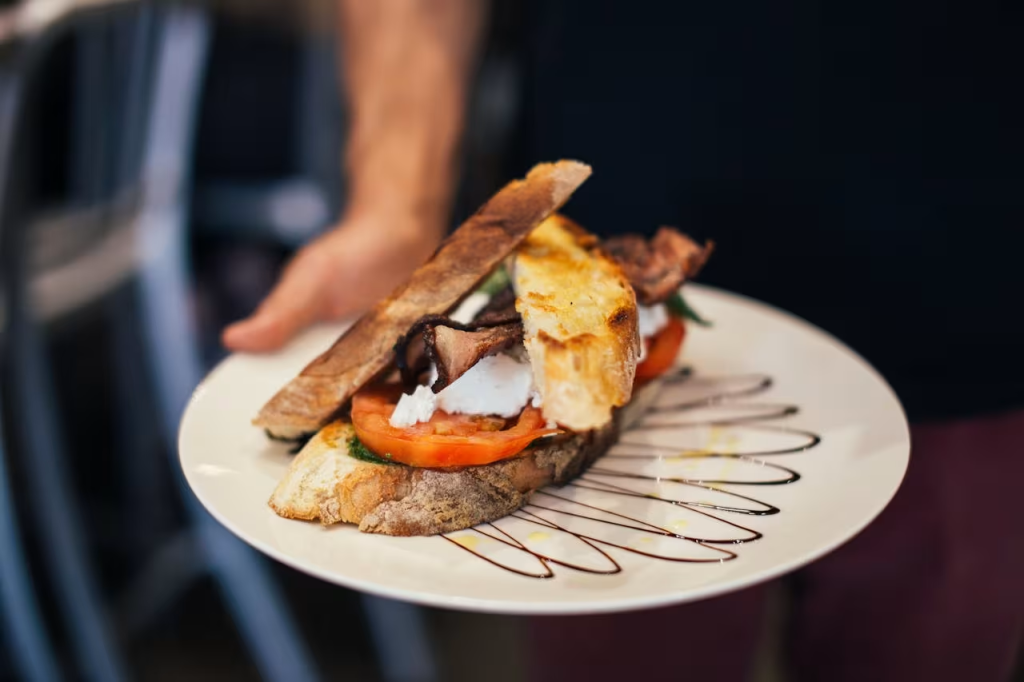
The hospitality industry is changing rapidly, and consumers are no longer satisfied with ordinary nights out. Today’s audiences want memorable interactions, immersive storytelling, and emotionally engaging experiences that go beyond simply eating and drinking. This shift has fueled the rise of experiential food and drink events, where atmosphere, sound, creativity, and sensory engagement work together to create unforgettable moments.
From curated tasting dinners to multisensory cocktail showcases, modern diners are actively seeking events that feel personalized, interactive, and socially shareable. Restaurants, hospitality brands, and entertainment venues are responding by blending culinary craftsmanship with music, lighting, visual art, and live performance to create immersive environments that guests remember long after the event ends.
At Echo Taste and Sound, the focus is on creating events that connect people through flavor, sound, and atmosphere. These experiences represent the future of hospitality because they prioritize emotion, participation, and storytelling rather than transactional dining alone.
The Evolution of Dining Into Entertainment
Dining has evolved from a functional activity into a form of entertainment and cultural engagement. Consumers now prioritize experiences over possessions, especially younger demographics who value connection, creativity, and unique moments they can share with others.
Experiential food and drink events appeal to this mindset because they combine multiple forms of stimulation into a cohesive experience. Instead of sitting quietly through a meal, guests become part of the environment itself.
Several trends are driving this movement:
- Increased demand for immersive entertainment
- Social media influence and shareable experiences
- Consumer preference for personalized events
- Growth of sensory-driven hospitality concepts
- Rising interest in themed and interactive dining
These trends show that hospitality is becoming increasingly experience-focused. Businesses that embrace immersive dining concepts often create stronger emotional connections with guests while encouraging repeat attendance and word-of-mouth promotion.
What Makes Experiential Food and Drink Events Unique?
Traditional dining focuses primarily on food quality and service. While those elements remain essential, experiential events add additional layers designed to heighten emotional and sensory engagement.
Key characteristics often include:
Interactive Guest Participation
Guests may participate in cocktail creation, guided tastings, chef interactions, or collaborative dining moments. Participation increases emotional investment and creates stronger memories.
Curated Sound Design
Music influences mood, pacing, and emotional response. Carefully selected soundscapes can completely change how guests perceive flavor and atmosphere.
Immersive Visual Elements
Lighting, projection mapping, themed décor, and visual storytelling help transform a venue into a fully immersive environment.
Narrative-Driven Experiences
Many successful experiential food and drink events use storytelling to guide guests through the evening. Themes may draw inspiration from travel, culture, music, art, or seasonal concepts.
Multi-Sensory Pairings
The combination of flavor, aroma, texture, sound, and visual presentation creates a deeper level of engagement that standard dining rarely achieves.
When these elements work together effectively, guests do not simply attend an event. They experience something memorable and emotionally impactful.
The Psychology Behind Immersive Dining Experiences
Experiential hospitality succeeds because it taps into human psychology. People naturally remember experiences that trigger emotion, novelty, and sensory engagement.
Studies on consumer behavior consistently show that experiences create stronger long-term memories than material purchases. This is especially true when experiences involve:
- Surprise
- Social connection
- Emotional storytelling
- Active participation
- Sensory stimulation
Experiential food and drink events combine all of these factors into a single environment. Guests are not just consuming products; they are creating memories.
This emotional component also increases customer loyalty. People are far more likely to revisit a venue or recommend it to friends when they associate it with meaningful experiences.
How Technology Is Enhancing Experiential Food and Drink Events
Technology has become an important tool for immersive hospitality. Modern event creators use digital innovation to amplify storytelling and audience interaction.
Some popular technologies include:
Projection Mapping
Projection technology can transform walls, tables, and ceilings into dynamic visual environments that evolve throughout the event.
Spatial Audio
Advanced sound systems create immersive audio experiences that guide mood and attention within the venue.
Interactive Lighting Systems
Responsive lighting can synchronize with music, dining courses, or live performances to heighten emotional impact.
Augmented Reality Features
Some events incorporate AR experiences through mobile devices or interactive installations to deepen guest engagement.
Digital Personalization
Customized menus, personalized pairings, and guest-specific interactions create more intimate experiences.
The goal of technology in experiential hospitality is not distraction. Instead, it should enhance the emotional and sensory journey without overwhelming the guest experience.
Why Businesses Are Investing in Experiential Hospitality
The business value of immersive dining experiences extends far beyond entertainment. Experiential food and drink events can significantly improve customer engagement and brand visibility.
Increased Social Media Exposure
Immersive events naturally encourage guests to take photos and share videos online. This user-generated content can dramatically increase brand reach and visibility.
Stronger Customer Retention
Memorable experiences create emotional loyalty, which often leads to repeat business.
Higher Perceived Value
Consumers are often willing to spend more for curated experiences that feel exclusive and distinctive.
Brand Differentiation
In competitive hospitality markets, immersive concepts help businesses stand out from traditional restaurants or bars.
Expanded Audience Appeal
Experiential events attract not only food enthusiasts but also music lovers, creatives, and entertainment-focused audiences.
Businesses that successfully integrate immersive concepts often create communities around their brand rather than simply serving customers.
Designing Successful Experiential Food and Drink Events
Creating an immersive event requires careful planning and creative alignment. Every detail should contribute to a unified guest journey.
Start With a Clear Theme
A strong concept creates consistency across food, music, visuals, and guest interaction.
Examples include:
- Global cultural journeys
- Seasonal sensory experiences
- Music-inspired tasting menus
- Futuristic cocktail showcases
- Story-driven culinary events
Prioritize Atmosphere
Atmosphere shapes guest perception immediately. Lighting, sound, layout, and pacing should feel intentional and cohesive.
Balance Entertainment With Hospitality
Entertainment should complement the dining experience rather than overpower it. Guests should remain comfortable and engaged throughout the event.
Focus on Flow
Successful events maintain momentum while allowing guests enough time to absorb each experience naturally.
Encourage Connection
Interactive moments encourage conversation and social bonding, making events feel more personal and memorable.
The most effective experiential events feel seamless rather than staged. Guests should feel immersed without becoming overwhelmed.
The Role of Sound in Modern Dining Experiences
Sound is one of the most overlooked elements in hospitality design, yet it has enormous influence over guest perception.
Music can:
- Influence mood
- Affect dining pace
- Enhance emotional engagement
- Shape social interaction
- Complement flavor perception
This is why sound design has become increasingly important in experiential food and drink events. Curated audio environments help create emotional continuity throughout the experience.
At Echo Taste and Sound, sound is treated as a foundational component of immersive hospitality rather than background noise. Carefully crafted audio experiences help elevate each event into a more emotionally engaging environment.
The Future of Experiential Food and Drink Events
The future of hospitality will continue moving toward immersive and emotionally engaging experiences. Consumers increasingly seek authenticity, personalization, and connection, especially in social settings.
Emerging trends likely to shape the industry include:
- AI-assisted personalization
- Hybrid physical-digital experiences
- Sustainability-focused immersive events
- Hyper-local culinary storytelling
- Wellness-centered sensory dining
- Interactive performance integration
As competition increases across hospitality industries, businesses that prioritize creativity and emotional engagement will be better positioned to attract modern audiences.
Experiential hospitality is no longer a niche concept. It is becoming a core expectation among consumers who value memorable interactions over traditional dining alone.
Why Experiential Dining Creates Lasting Impact
The most successful experiential food and drink events leave guests with more than satisfaction. They create emotional resonance, meaningful memories, and genuine human connection.
People remember how an experience made them feel:
- The atmosphere
- The music
- The conversations
- The sensory details
- The sense of immersion
These emotional memories drive long-term loyalty and create stronger relationships between brands and audiences.
Businesses that embrace immersive hospitality are not simply serving meals or drinks. They are creating shared experiences that people want to revisit and recommend.
Final Thoughts
The hospitality landscape continues to evolve as consumers seek richer, more engaging social experiences. Experiential food and drink events represent a powerful shift toward immersive storytelling, emotional connection, and multi-sensory engagement.
By combining culinary creativity with sound, atmosphere, and interaction, businesses can create memorable moments that resonate far beyond the event itself.
As audiences continue prioritizing experiences over traditional entertainment, immersive hospitality concepts will play an increasingly important role in shaping the future of dining and social gatherings.
Brands like Echo Taste and Sound are helping redefine what modern hospitality can become by creating experiences that bring people together through flavor, music, and atmosphere.