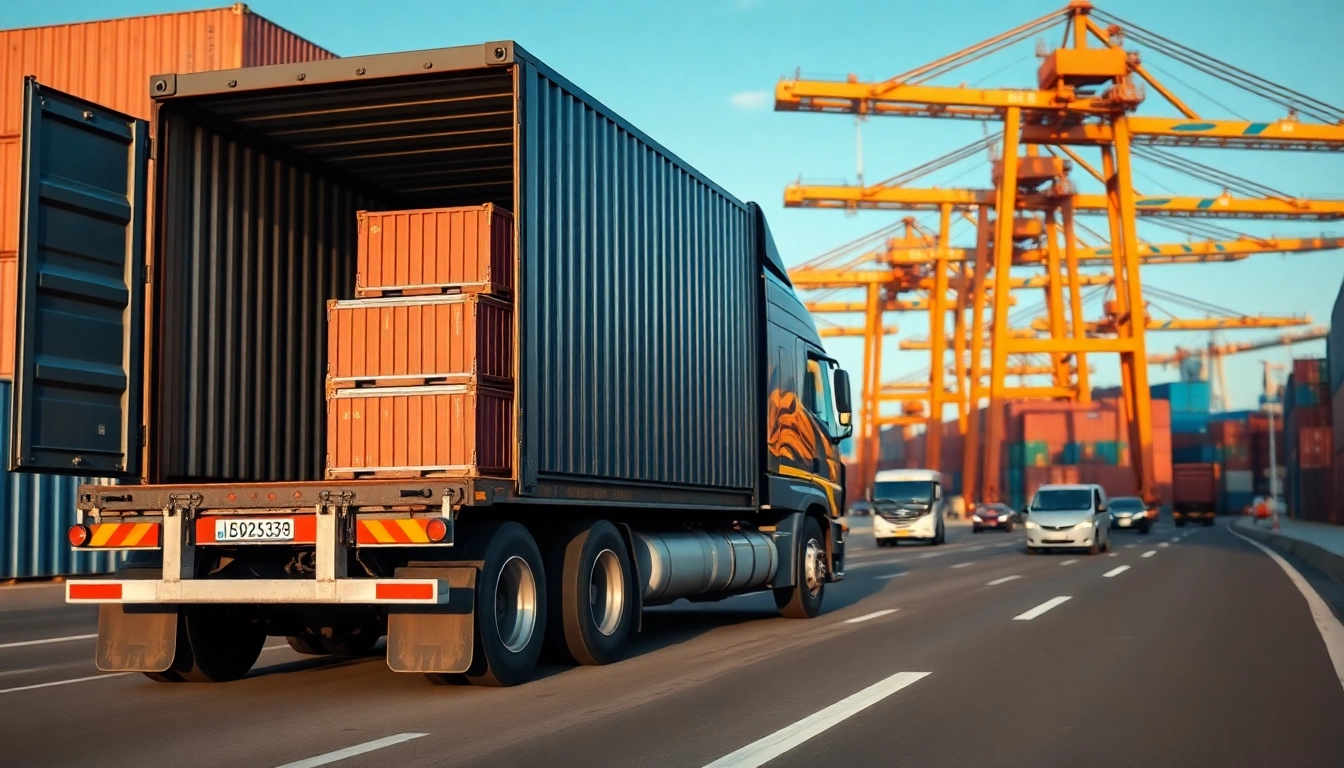
What is Drayage?
Definition and Importance of Drayage
Drayage is a specific type of freight transportation that refers to the movement of goods over short distances, primarily using trucks. This transportation process commonly involves the transfer of containerized cargo from ports to nearby distribution centers or businesses.
The importance of drayage cannot be overstated, especially in an interconnected global economy. It acts as a vital link in the supply chain, bridging the gap between long-haul transportation methods (such as ships and trains) and the final delivery to the end customer. In this context, drayage services enable efficient logistics, reduce congestion in port facilities, and enhance the overall effectiveness of the supply chain.
The Role of Drayage in Logistics
Drayage plays a pivotal role in logistics by ensuring that containers reach their final destinations promptly. It facilitates the first and last mile of freight transportation, which is critical for maintaining the flow of goods in and out of major hubs. Without efficient drayage services, the shipping of goods could be delayed, leading to increased costs and unhappy customers. Moreover, drayage helps optimize the use of transportation infrastructure, making it easier to manage inventory and reducing the risk of delays due to road congestion or port bottlenecks.
Types of Drayage Services
There are several types of drayage services, each serving unique needs within the logistics framework:
- Port Drayage: This involves moving freight from the port terminal to a warehouse or distribution center.
- Intermodal Drayage: Connecting various transportation modes, such as rail and truck, enabling seamless transfers of cargo between different services.
- Expedited Drayage: For urgent shipments requiring rapid delivery, enabling businesses to meet tight deadlines.
- Regular Drayage: Standard services for routine shipments, often managed through long-term contracts with drayage providers.
How Drayage Works
The Drayage Process Explained
The drayage process typically involves several key steps:
- Booking: Shippers or freight forwarders book drayage services with a carrier, specifying pickup and drop-off locations and other details.
- Container Pickup: A truck is dispatched to pick up the container from the port or rail yard.
- Transport: The truck transports the container to its destination, such as a warehouse or distribution center.
- Drop-off: The container is unloaded, and the truck returns to the port or rail yard for another shipment.
This sequence of operations is critical for keeping supply chains efficient and responsive to customer needs.
Key Players Involved in Drayage
Several stakeholders are involved in the drayage process, including:
- Shippers: Companies that send goods and require drayage services to transport their containers to the final destination.
- Drayage Carriers: Trucking firms specializing in drayage services, equipped to handle containerized freight.
- Freight Forwarders: Service providers who manage logistics and transportation, coordinating between various carriers and shippers.
- Ports and Rail Yards: Facilities that serve as major hubs for loading and unloading containers, playing a key role in the drayage process.
Technology's Impact on Drayage Operations
Technology has significantly transformed drayage operations, enhancing efficiency and visibility throughout the logistics process. Modern transportation management systems (TMS) allow for real-time tracking of containers and vehicles, enabling shippers to monitor their shipments closely. Additionally, data analytics helps optimize routes and schedules, improving fuel efficiency and reducing operational costs.
Mobile applications also facilitate better communication among stakeholders, allowing for quick updates and changes to plans based on evolving circumstances. Overall, technology integration is key to staying competitive in the drayage sector.
Challenges in Drayage Transportation
Cost-Related Challenges
One of the most significant challenges in drayage is managing costs. Factors such as fluctuating fuel prices, tolls, and labor expenses can strain budgets. Moreover, additional costs can arise from delays due to port congestion or inefficiencies in scheduling.
To address cost-related challenges, companies should consider implementing best practices such as route optimization, establishing long-term contracts with reliable carriers, and leveraging technology for enhanced efficiency.
Regulatory Compliance Issues
Drayage companies must navigate a complex landscape of regulations related to transportation, labor, and environmental impact. Non-compliance can result in fines, delays, or damage to reputation. Regulations can vary widely depending on the region and type of cargo being transported.
Proactive communication with regulatory bodies and continuous training for employees can help ensure compliance and minimize risks associated with regulatory issues.
Addressing Capacity Constraints
Capacity constraints can significantly affect drayage efficiency, particularly during peak shipping seasons. A lack of available trucks, drivers, or facilities can create bottlenecks in the supply chain.
To alleviate capacity challenges, companies may consider diversifying their carrier networks, adopting flexible scheduling practices, and investing in strategic partnerships with other logistics providers to share resources during high-demand periods.
Best Practices for Effective Drayage
Choosing the Right Drayage Partner
Selecting a reliable drayage partner is crucial for operational success. Companies should assess potential partners based on their experience, reputation, and operational capabilities. Strong communication and a clear understanding of service level agreements are essential for establishing a productive relationship.
Optimizing Routes and Schedules
Efficient route planning and effective scheduling can minimize costs and improve delivery times. Companies can leverage analytics and geographic information systems (GIS) to identify optimal routes and avoid traffic congestion. Establishing standard operating procedures for scheduling can also reduce turnaround times at ports and distribution centers.
Leveraging Technology for Efficiency
Investing in technology infrastructure can significantly enhance drayage operations. Tools such as GPS tracking and advanced TMS can provide insights into transportation operations, allowing for better decision-making and improved efficiency. Automation can streamline administrative processes, freeing up resources for more strategic activities.
Future of Drayage and Industry Trends
Emerging Technologies in Drayage
The future of drayage is being shaped by numerous emerging technologies, including autonomous vehicles, electric trucks, and blockchain for enhanced transparency. Autonomous trucks promise to reduce labor costs and improve safety, while electric vehicles can address environmental concerns associated with fuel consumption.
Blockchain technology can facilitate better tracking of containers through secure, immutable records, enhancing trust among supply chain participants.
Sustainability Practices in Drayage
As sustainability becomes increasingly important in logistics, drayage companies are exploring eco-friendly practices. Initiatives such as using electric vehicles and optimizing routes to reduce fuel consumption are gaining traction. Additionally, adopting carbon offset programs and enhancing waste management strategies can contribute to a greener supply chain.
Market Predictions and Growth Prospects
The drayage market is expected to continue growing, fueled by increasing global trade and advancements in logistics technology. However, companies must remain adaptable and prepared to respond to challenges such as regulatory changes, labor shortages, and evolving customer demands.
Investments in technology, partnerships, and sustainable practices will be crucial for organizations aiming to thrive in the competitive landscape of drayage.