Understanding Structural Steel Welding
Definition of Structural Steel Welding
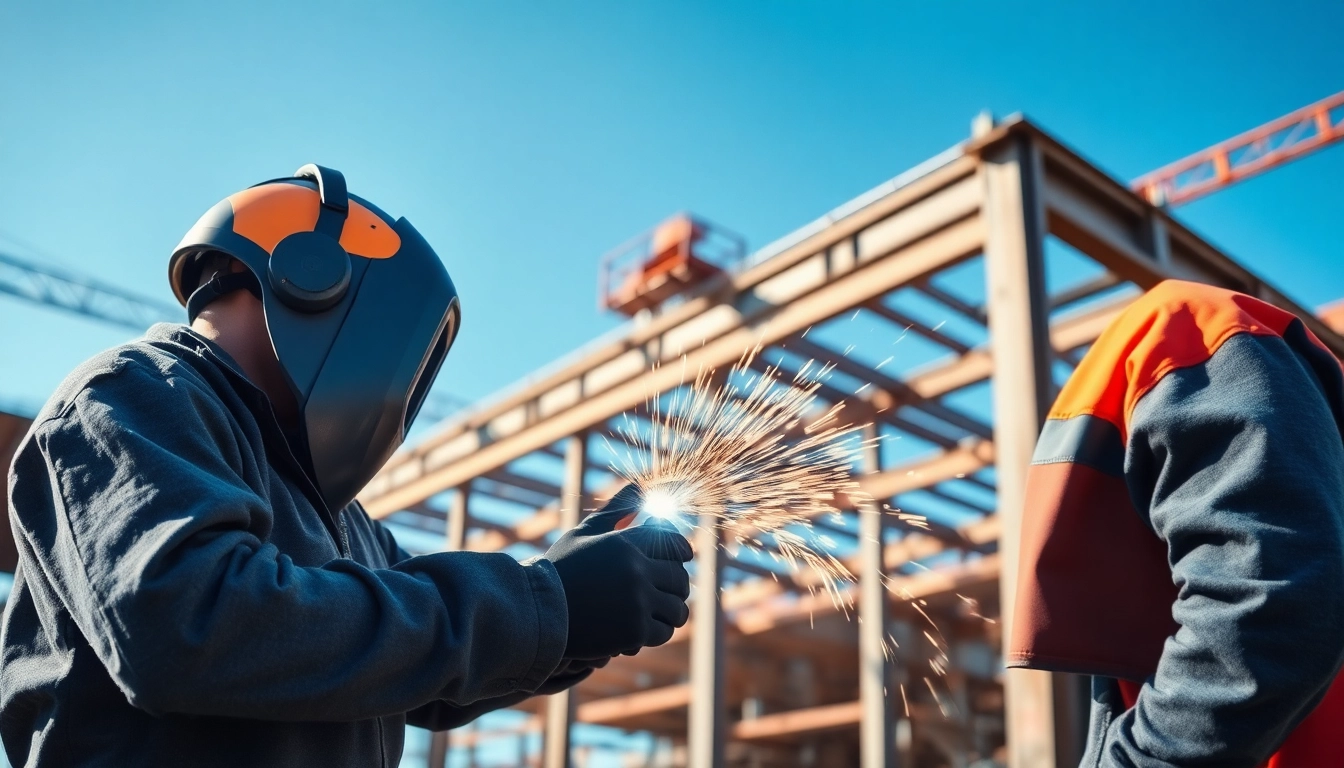
Structural steel welding is a specialized process used to join metal components, primarily steel, to form load-bearing structures. This technique is essential in the construction and manufacturing sectors, providing the necessary bonding to ensure the integrity and durability of structures such as bridges, buildings, and frameworks. The process involves the application of heat and pressure, resulting in a strong connection capable of withstanding various stresses.
Importance of Structural Steel Welding in Construction
Welding plays a crucial role in the construction industry, as it offers numerous advantages over other fastening methods. One of the primary benefits is the strong and permanent bond it creates, which is essential for the safety and longevity of buildings and infrastructure. Furthermore, structural steel welding allows for greater design flexibility, enabling architects and engineers to create innovative and complex shapes that may be difficult or impossible to achieve with traditional bolting or riveting methods. By ensuring structural integrity, structural steel welding contributes significantly to the overall success of construction projects.
Common Applications of Structural Steel Welding
The applications of structural steel welding are vast and varied, spanning different sectors and industries. Some common applications include:
- Building Construction: Structural welding is used extensively in the construction of commercial buildings, residential properties, and skyscrapers, providing the framework that supports the structure.
- Bridges: Welded connections are crucial for the durability and strength of bridge constructions, allowing them to withstand heavy loads and environmental stressors.
- Industrial Structures: Factories, warehouses, and power plants often utilize structural steel welding for platforms, support beams, and other critical components.
- Shipbuilding: The marine industry relies on structural welding for assembling hulls and superstructures in ship construction.
Techniques Involved in Structural Steel Welding
Common Welding Processes for Structural Steel Welding
Several welding processes are utilized in structural steel welding. The most common techniques include:
- Shielded Metal Arc Welding (SMAW): Also known as stick welding, SMAW uses a consumable electrode coated in flux. The heat generated by the arc melts the electrode and the base metal, allowing for a strong weld pool.
- Gas Metal Arc Welding (GMAW): This process, commonly referred to as MIG welding, employs a continuous wire feed as an electrode and utilizes a shielding gas to protect the weld pool from contamination.
- Flux-Cored Arc Welding (FCAW): FCAW uses a tubular wire filled with flux; it can be performed with or without shielding gas, making it suitable for various environments.
- Tungsten Inert Gas Welding (TIG): This technique involves the use of a non-consumable tungsten electrode and is often used for precision welding applications due to its ability to create clean and strong welds.
Comparative Analysis of Welding Techniques
When selecting a welding technique for structural steel, various factors need consideration, including material thickness, position, and environmental conditions. Here’s a brief comparative analysis:
Welding TechniqueAdvantagesDisadvantagesSMAWVersatile, effective for outdoor environments, and adaptable for various positions.Less efficient for thin materials, can produce slag inclusions.GMAWSpeedy process with minimal post-weld cleaning required.Requires a shielding gas which may not perform well in windy conditions.FCAWHigh deposition rates and capability to weld in different positions.Fume emissions and slag can make cleanup necessary.TIGProvides precise welds and is ideal for thin materials.Slower process and more skill is required to perform effectively.
Choosing the Right Method for Different Projects
Selecting the right welding method depends on several project-specific factors. Always consider the following:
- Material Thickness: Thicker materials may require more robust welding techniques such as SMAW or FCAW, while thinner materials could be best suited for TIG.
- Location: Indoor projects might favor MIG welding due to its clean operation, while outdoor projects could benefit from SMAW due to its versatility in challenging conditions.
- Desired Aesthetic: If appearance is a factor, TIG welding may be more suitable due to its precision and cleaner finish.
Equipment and Tools for Structural Steel Welding
Essential Welding Equipment for Effective Structural Steel Welding
The selection of proper equipment and tools is vital to ensure quality and efficiency in structural steel welding. Essential equipment includes:
- Welding Machines: Depending on the chosen welding process, this could include MIG, TIG, or stick welding machines.
- Electrodes and Filler Metals: Selecting the right type of electrodes or filler metals for the project is crucial for achieving strong welds.
- Safety Gear: Protective equipment, such as gloves, helmets, and jackets, is necessary to ensure safety during welding operations.
- Welding Tables and Fixtures: Having proper work surfaces and fixtures enhances stability and precision during welding.
Maintenance of Welding Tools and Gear
Regular maintenance of welding tools and equipment is essential to prolong their lifespan and ensure safety. Key maintenance practices include:
- Inspecting welding machines consistently for wear or damage.
- Cleaning and replacing worn electrodes and nozzles as necessary.
- Ensuring safety gear is intact and in good condition to protect welders during operations.
- Storing tools properly to prevent damage and corrosion.
Innovative Tools Enhancing Structural Steel Welding Efficiency
Technological advancements are continually driving the evolution of welding tools. Some innovative tools enhancing efficiency include:
- Robotic Welding Systems: These systems automate the welding process for high-volume applications, increasing welding speed and consistency.
- Real-Time Monitoring Devices: These devices help track welding parameters and adjust them dynamically to ensure optimal weld quality.
- Portable Welding Generators: These provide an on-site power solution for extended welding operations away from a fixed power source.
Best Practices in Structural Steel Welding
Safety Protocols for Structural Steel Welding
Safety should always be the top priority in any welding project. Key safety protocols include:
- Wearing appropriate personal protective equipment (PPE), such as helmets, gloves, and flame-resistant clothing.
- Ensuring the workspace is clean and well-ventilated to reduce fume exposure.
- Following proper procedures for handling welding gases and materials to prevent accidents.
Quality Control in Structural Steel Welding
To ensure the integrity of welds, quality control measures need to be implemented, including:
- Performing regular inspections of welds to detect any defects such as cracks or porosity.
- Utilizing non-destructive testing methods like ultrasound or X-ray to assess weld quality without damaging the structure.
- Documenting welds and inspection results to maintain records for future reference.
Environmental Considerations in Welding Processes
As environmental awareness grows, the welding industry is also evolving to reduce its ecological footprint. Important considerations include:
- Minimizing waste through efficient use of materials and recycling scrap metal.
- Utilizing advanced filtering systems to manage fume emissions from welding processes.
- Implementing energy-efficient practices, such as using modern welding equipment that consumes less electricity.
Future Trends in Structural Steel Welding
Advancements in Welding Technology
The landscape of welding technology is ever-changing, with advancements that aim to improve efficiency and quality. Future trends to watch include:
- The increasing adoption of machine learning and AI in welding processes for heightened precision and adaptability.
- The development of advanced welding materials that can withstand extreme environments and stresses.
- Enhanced automation and robotics in welding applications, especially in mass production scenarios.
Impact of Automation on Structural Steel Welding
Automation is set to transform the welding industry, offering numerous benefits:
- Increased production rates due to reduced human error and fatigue.
- Consistency in weld quality across large projects, resulting in safer structures.
- Enhanced flexibility to adapt to different welding requirements without substantial changes to setup.
Sustainability Trends in Structural Steel Welding
As the construction industry leans more towards sustainable practices, structural steel welding is no exception. Key sustainability trends include:
- Increased use of recycled materials in manufacturing welding products.
- Development of environmentally friendly welding consumables, reducing harmful emissions during the welding process.