Understanding Cutting Equipment
Cutting equipment is an integral part of many industries, playing a crucial role in manufacturing, construction, and fabrication. It serves the purpose of slicing through various materials like metals, plastics, and fabrics with precision and accuracy. Understanding the different types, their functionalities, and applications can significantly improve operational efficiency. By grasping these concepts, businesses can make informed choices about their cutting equipment needs, ultimately leading to enhanced productivity and quality outcomes.
Types of Cutting Equipment
When it comes to cutting equipment, there’s a broad range of tools designed to meet specific needs. Below, we categorize the types of cutting equipment as follows:
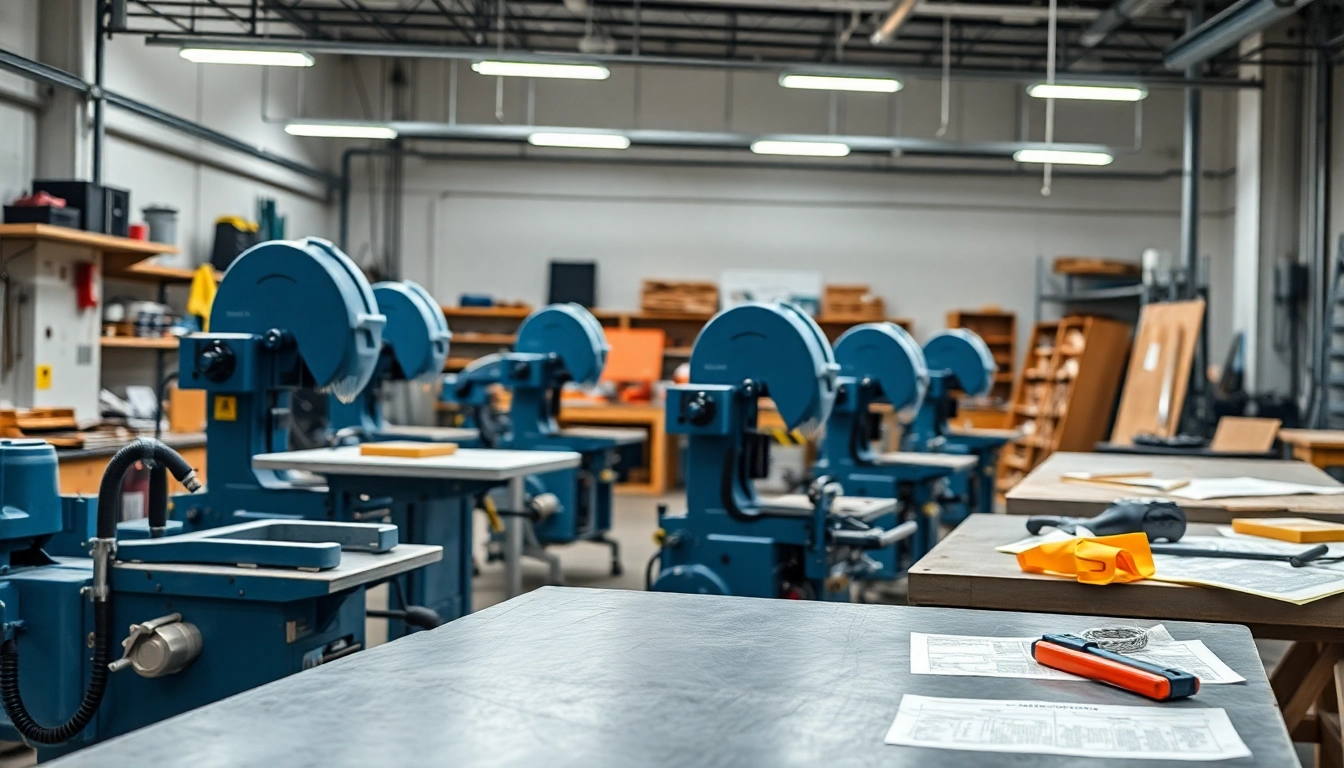
- Mechanical Cutters: These include shears, guillotines, and band saws that use blades to cut through materials. Mechanical cutters are prevalent in metalworking and woodworking.
- Laser Cutters: Utilizing focused laser beams, these machines can achieve high precision and intricate designs in cutting metals and plastics. They are favored in industries requiring high accuracy.
- Plasma Cutters: These are ideal for cutting through thick metals with speed and precision. Plasma cutters use ionized gas to produce a high-temperature arc.
- Water Jet Cutters: By using high-pressure water mixed with abrasive particles, water jet cutters can slice through various materials, even delicate substances like glass.
- Manual Cutting Tools: Hand tools such as knives, scissors, and chisels that require manual operation. These tools are commonly used for smaller projects or detailed work.
How Cutting Equipment Works
Understanding the mechanics behind cutting equipment is key to effective usage. Here's how various cutting technologies operate:
- Mechanical Cutters: They function by applying force through blades, compressing the material until it fractures. The angle, speed, and pressure applied directly influence cutting performance.
- Laser Cutters: These devices work by concentrating intense light energy onto the material. The heat generated melts or vaporizes the material, achieving precise cuts with minimal waste.
- Plasma Cutters: They generate a plasma stream that reaches temperatures high enough to cut through metals. The heat is produced by ionizing gas, creating a conductive path for electricity.
- Water Jet Cutters: By forcing water at ultra-high speeds, and mixed with abrasive powders, these machines provide a powerful cutting action without thermal distortion.
Applications of Cutting Equipment
Cutting equipment finds diverse applications across different sectors:
- Manufacturing: In manufacturing, robotic and automation systems enhance the precision of cutting processes for high-volume production.
- Construction: Cutting equipment is essential for shaping, resizing, and fitting materials on construction sites, ensuring structural integrity.
- Aerospace: The aerospace industry relies heavily on precision cutting tools to construct lightweight components from advanced materials.
- Art and Design: Many artists use cutting tools for crafting intricate designs in materials such as wood, paper, and canvas.
Choosing the Right Cutting Equipment
Selecting the appropriate cutting equipment is vital for enhancing operational efficiency and achieving the desired outcomes. Here are key considerations when choosing your equipment:
Factors to Consider
When selecting cutting equipment, consider the following factors:
- Material Type: Different materials require specific cutting methods. Ensure the equipment you choose matches the materials you frequently work with.
- Thickness and Size: Understand the maximum thickness and size of the materials the equipment can handle effectively.
- Production Volume: Consider the speed and efficiency of the equipment based on your production demands and workload.
- Budget: Analyze not only the initial purchase cost but also the long-term maintenance and operational expenses associated with the equipment.
Common Mistakes to Avoid
When choosing cutting equipment, it's easy to make errors that can lead to inefficiencies:
- Ignoring Material Compatibility: Always ensure the cutting tool is suitable for the material type. Using incompatible equipment can lead to wear and tear or subpar results.
- Overlooking Safety Features: Safety should never be compromised. Consider equipment with robust safety mechanisms to protect operators.
- Short-term Investment Mindset: While price is important, prioritizing low-cost options over quality can result in higher long-term costs due to repairs and inefficiencies.
Industry-Specific Recommendations
Each industry has distinctive needs when it comes to cutting equipment. Here is a brief look at recommendations for specific sectors:
- Automotive: Laser cutting is often recommended for its precision and speed in manufacturing parts.
- Construction: Plasma cutters are favored for their ability to cut through thick metals on construction sites.
- Aerospace: Water jet cutters excel in working with composite materials, making them ideal for aerospace applications.
Best Practices for Using Cutting Equipment
Maximizing the effectiveness and lifespan of your cutting equipment involves following best practices:
Safety Protocols
Safety should always be the top priority when operating cutting equipment. Adhere to the following protocols:
- Protective Gear: Always wear appropriate personal protective equipment (PPE), such as goggles, gloves, and ear protection.
- Operator Training: Ensure all operators are adequately trained in the use of equipment, including emergency shut-off procedures.
- Regular Inspections: Conduct routine safety checks and maintenance to identify potential hazards and ensure equipment is working properly.
Maintenance Tips
To ensure prolonged functionality and reliability of equipment:
- Regular Cleaning: Keep equipment clean to prevent contaminants from affecting performance.
- Cuts Quality Monitoring: Regularly assess the quality of cuts and make necessary adjustments to settings or blades.
- Lubrication: Apply lubricants as per manufacturer's guidelines to minimize friction and wear on moving parts.
Calibration and Set-Up
Accurate calibration is crucial for optimal performance:
- Angle and Pressure Settings: Ensure that angle and pressure settings are accurately calibrated based on the material specifications.
- Testing: Conduct test cuts before starting a production run to guarantee settings are appropriate.
- Regular Updates: Follow manufacturer updates on calibration procedures or software updates for CNC (Computer Numerically Controlled) equipment.
Advanced Techniques in Cutting Equipment
As technology advances, so do the methods and techniques employed in using cutting equipment. Here are some leading-edge approaches:
Enhancing Precision with Technology
Modern cutting technologies have greatly enhanced precision:
- Automation: Employing automated systems for cutting processes can drastically improve consistency and reduce human error.
- 3D Modeling: Use of CAD software before cutting can help visualize designs, ensuring high accuracy in cutting.
- Adaptive Learning: Some advanced equipment utilizes machine learning algorithms to adapt settings based on previous cutting data, ensuring optimal results.
Training for Professionals
Investing in training programs for team members enhances efficiency:
- Hands-On Training: Facilitate workshops that focus on best practices and troubleshooting common issues.
- Cross-Training: Ensure multiple team members are trained on various equipment to cover for absences and enhance versatility.
- Continuous Education: Stay updated on the latest technologies and methods in cutting equipment by participating in industry conferences and courses.
Troubleshooting Common Issues
Understanding how to troubleshoot can save time and resources:
- Inconsistent Cuts: This could be a sign of dull blades or improper calibration—regularly check and replace blades when necessary.
- Equipment Jamming: Jamming can occur due to debris in the cutting area—clear any obstacles and ensure a clean working environment.
- Power Issues: Check the power supply and connections if the equipment isn’t functioning as expected; consider a professional if issues persist.
Measuring Performance with Cutting Equipment
Monitoring the performance of cutting equipment ensures that it is functioning optimally. Here’s how you can measure effectiveness:
Key Performance Indicators
Establish key performance indicators (KPIs) to evaluate equipment effectiveness:
- Cut Quality: Measure the precision of cuts and the finish quality of the cut edges.
- Production Speed: Analyze how quickly materials are processed, impacting overall throughput.
- Downtime: Monitor the duration and reasons for equipment downtimes, influencing overall operational efficiency.
Feedback Loops in Operation
Creating feedback mechanisms can enhance productivity:
- Regular Reviews: Conduct weekly or monthly reviews of operation performance metrics.
- Operator Input: Encourage operators to provide feedback on equipment performance and maintenance needs.
- Data Analytics: Use data analytics tools to assess performance and guide future decisions on equipment and practices.
Continuous Improvement Strategies
Implement continuous improvement for sustained success:
- Lean Practices: Adopt lean manufacturing practices to eliminate waste in cutting processes, enhancing productivity.
- Root Cause Analysis: Analyze any operational issues using root cause analysis techniques to prevent recurrence.
- Benchmarking: Compare your processes with industry standards to identify areas for improvement.
Frequently Asked Questions
What types of materials can cutting equipment handle?
Cutting equipment can handle various materials, including metals, plastics, fabrics, and wood. The choice depends on the type of equipment and the cutting method used.
How often should cutting equipment be maintained?
Regular maintenance should be performed according to the manufacturer's guidelines, typically every few months, or sooner if heavily used. Routinely check for wear and replace parts as needed.
What safety equipment is necessary when using cutting tools?
Essential safety equipment includes goggles, gloves, ear protection, and steel-toed boots to protect against debris and noise exposure during cutting operations.
Can I use cutting equipment for different materials?
While some cutting equipment can handle multiple materials, ensure it’s compatible by checking manufacturer guidelines. Using the wrong equipment can lead to damage and poor results.
What are common signs that cutting equipment needs maintenance?
Signs include inconsistent cut quality, unusual noises, equipment overheating, and frequent jams. Regular inspections can help identify these issues early.