Understanding the Bridge Crane
In the realm of material handling, a bridge crane stands out as a critical tool for enhancing efficiency and productivity in various industrial settings. Bridge cranes, also known as overhead cranes, are designed to lift and transport heavy loads across expansive areas, making them indispensable for factories, warehouses, and construction sites. This comprehensive guide will delve into the intricacies of bridge cranes, covering their components, types, benefits, operational best practices, and future trends in technology.
What is a Bridge Crane?
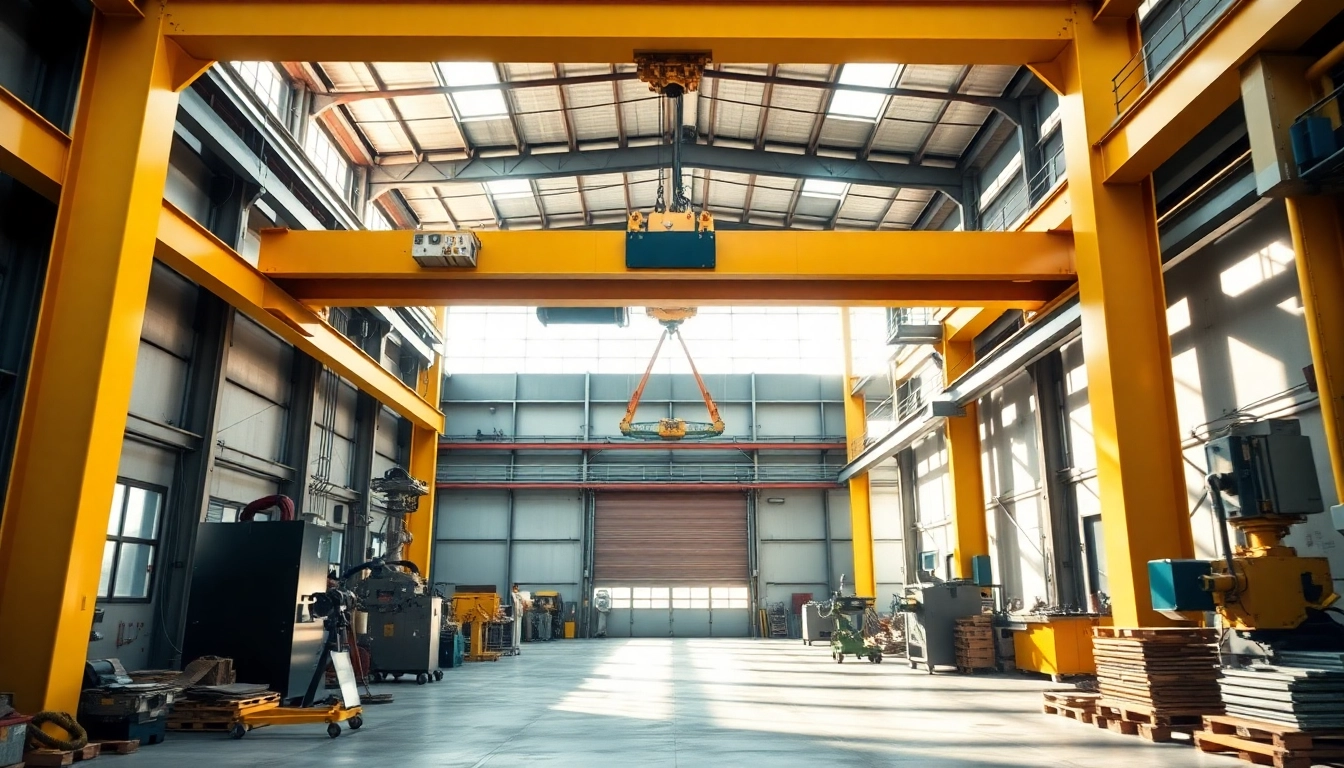
A bridge crane is a type of overhead lifting system that consists of a horizontal beam known as the bridge, which is supported by two vertical posts called runways. This configuration allows the crane to traverse the entire area of a facility, covering the length of the bridge to move loads efficiently from one point to another. Typically powered by electricity, bridge cranes come equipped with hoists that can lift, lower, and transport heavy materials within a designated workspace. This capability makes them ideal for various applications, including manufacturing, assembly, and shipping.
Key Components of Bridge Cranes
Understanding the components of a bridge crane is essential for effective utilization and maintenance. Here are the primary elements:
- Bridge Beam: The main horizontal component that spans the distance between the two runway beams.
- Runway Beam: The horizontal track that supports the bridge crane and allows it to move along its length.
- Hoist: A device that lifts and lowers the load, often with the capability to move horizontally as well.
- Controls: The systems that manage the operation of the crane, often including remote controls for safety and efficiency.
- End Trucks: The assemblies that connect the bridge to the runway and allow for lateral movement.
Types of Bridge Cranes and Their Applications
Bridge cranes can be categorized into several types depending on their design and intended applications:
- Single Girder Bridge Cranes: Lightweight and cost-effective, these cranes are ideal for lower capacity needs.
- Double Girder Bridge Cranes: Suitable for heavier loads and larger spans, providing greater stability and capacity.
- Free Standing Bridge Cranes: These cranes can be installed independently without the need for building support, allowing for flexible layouts.
- Workstation Bridge Cranes: Designed for smaller applications, they facilitate movement across work areas where precision is crucial.
Benefits of Using a Bridge Crane
The adoption of bridge cranes in industrial environments delivers numerous benefits that enhance productivity and operational efficiency.
Enhanced Efficiency in Material Handling
Bridge cranes facilitate the swift transportation of materials and heavy loads, significantly reducing the time required for manual handling. This efficiency leads to increased productivity, as tasks that once took considerable time can now be executed quickly and smoothly.
Cost Savings in Operations
While there is an initial investment in acquiring a bridge crane, the long-term savings can be substantial. Reduced labor costs, minimized injury risks, and enhanced workflow contribute to lower operational expenses, justifying the investment over time.
Improved Workplace Safety Standards
By mechanizing the lifting and movement processes, bridge cranes help reduce workplace accidents associated with heavy lifting. Modern cranes are equipped with safety features, such as emergency stop buttons and load limiters, ensuring that operations are not only efficient but also safe.
Choosing the Right Bridge Crane for Your Business
Selecting an appropriate bridge crane requires careful consideration of various factors to ensure it meets the specific needs of your operations.
Assessing Load Capacities and Span Requirements
Understanding the load capacity and span requirements is crucial for choosing the right bridge crane. Evaluate the maximum weight the crane must handle and the distance it needs to cover, as these factors will dictate the type and design of the crane necessary for your operations.
Evaluating Design Options for Tailored Solutions
Different businesses may have unique requirements based on their operational layouts and processes. Opt for a design that offers the flexibility to accommodate future changes in operations, such as expanding workspaces or varying load capacities.
Key Factors Influencing Purchase Decisions
Several factors can influence the decision to purchase a bridge crane, including:
- Operational efficiency and productivity needs
- Budget constraints
- Space limitations within the facility
- Regulatory compliance and safety standards
Best Practices for Bridge Crane Operation
To maximize the benefits of a bridge crane, adhering to best practices in operation is essential.
Regular Maintenance and Safety Checks
Routine maintenance checks and inspections are vital to ensure the crane remains in good working condition. Implement a regular schedule for inspecting critical components such as the hoist, controls, and structural integrity to identify and address potential issues proactively.
Training Employees for Optimal Use
Proper training for employees is crucial to ensure the safe and effective use of bridge cranes. Invest in comprehensive training programs that cover operational procedures, safety protocols, and emergency responses to promote a culture of safety and efficiency.
Monitoring Performance Metrics
Keeping track of performance metrics can help identify areas for improvement and maximize the crane's efficiency. Regularly assess load handling times, operator performance, and maintenance needs to refine operations and ensure optimal usage.
Future Trends in Bridge Crane Technology
The landscape of bridge cranes is evolving, with advancements in technology paving the way for enhanced capabilities and efficiencies.
Automation and Smart Technologies
The integration of automation in bridge cranes is becoming increasingly prevalent. Automated systems can streamline operations, reduce the need for manual oversight, and enhance precision in lifting and transporting materials. Smart technologies like IoT can provide real-time data analytics, enabling better decision-making and improved operational efficiency.
Sustainability in Crane Manufacturing
Sustainability is becoming a key consideration in industrial equipment manufacturing, including bridge cranes. Manufacturers are focusing on eco-friendly materials and designs that reduce the environmental impact of production and operation. Implementing energy-efficient systems can also lead to cost savings over time.
Innovations Expected in 2025 and Beyond
Looking ahead, bridge cranes are expected to incorporate more advanced features such as advanced robotics, enhanced safety mechanisms, and greater energy efficiency. The adoption of AI for predictive maintenance and operational analytics will also be prominent, ensuring that cranes are used to their fullest potential.