Understanding Structural Steel Welding Basics
Introduction to Structural Steel Welding
Structural steel welding is an essential process in the construction and manufacturing industries, serving as the backbone for creating robust structures that stand the test of time. This process involves joining metal parts using various welding techniques, ensuring that the final product retains its integrity and durability under different conditions. Given its critical role, professionals in this field must be well-versed in the best practices and methodologies associated with structural steel welding, which encompasses a wide array of skills and knowledge.
Key Materials Used in Structural Steel Welding
Understanding the materials used in structural steel welding is foundational for achieving high-quality results. The most commonly used materials include:
- Carbon Steel: This is the most widely used steel type, known for its excellent weldability and strength. It typically contains iron and a small percentage of carbon, making it suitable for a variety of structural applications.
- Alloy Steel: Alloy steels contain additional elements, such as manganese, chromium, and nickel. These additions enhance certain properties, such as toughness, wear resistance, or hardenability, ideal for specialized applications.
- Stainless Steel: Renowned for its corrosion resistance, stainless steel is often used in environments where longevity and durability are crucial. It's particularly important in the food, chemical, and pharmaceutical industries.
- Welding Rods and Filler Materials: These materials are pivotal in the welding process, with different rods and fillers designed for specific base metals, thus influencing the welding quality and the mechanical properties of the weld.
The Importance of Quality Control in Welding
Quality control is a non-negotiable aspect of structural steel welding. Effective quality management systems ensure that every weld meets specified standards, enhancing the overall integrity of the structure. Key components of quality control in welding include:
- Pre-Weld Inspections: Before any welding begins, the materials and conditions should be thoroughly checked to ensure they meet technical specifications.
- In-Process Quality Control: Continuous monitoring during the welding process helps identify defects early, allowing for immediate corrective actions.
- Post-Weld Inspections and Testing: After welding, extensive testing, such as ultrasonic or radiographic inspections, verifies that the weld meets the necessary standards for strength and integrity.
Essential Techniques for Structural Steel Welding
Popular Welding Processes Explained
In structural steel welding, several key processes are commonly used, each with distinct advantages depending on the specific project requirements:
- MIG Welding (Gas Metal Arc Welding): This process uses a continuous solid wire electrode and an inert gas to protect the weld pool. It's favored for its speed and ease of use, making it ideal for both thin and thick materials.
- TIG Welding (Gas Tungsten Arc Welding): Known for providing high-quality, precise welds, TIG welding involves a non-consumable tungsten electrode and is often used for thinner materials and intricate designs.
- Stick Welding (Shielded Metal Arc Welding): This traditional method is versatile and effective in various environmental conditions, making it suitable for outdoor projects. The electrode is coated in flux, which creates a shielding gas during the welding process.
- Submerged Arc Welding: In this process, the arc is submerged under a layer of granular flux, which helps to shield the molten metal from impurities. It's noted for producing deep welds and is often used in heavy fabrication applications.
Choosing the Right Electrode and Filler Materials
The selection of electrodes and filler materials is crucial in ensuring sound welds. Factors influencing this choice include:
- Base Metal Type: Matching the filler material to the base metal is essential for achieving high strength and durability in the weld joint.
- Welding Process: Each welding technique may require specific types of fillers and electrodes to maximize efficiency and ensure quality.
- Service Conditions: An understanding of the environment where the used structure will operate (such as exposure to corrosive elements) also impacts material selection.
Welding Positions and Their Relevance in Practice
Welding positions signify the orientation of the workpieces during the welding process, greatly influencing the quality and efficiency of the weld. The most common positions include:
- Flat Position: This is the easiest position, allowing for faster welds with less chance of defects.
- Horizontal Position: While more challenging than flat, this position is commonly used in fabricating beams and columns.
- Vertical Position: This position poses significant challenges, requiring skilled operators due to gravity’s effect on the molten weld pool.
- Overhead Position: Also quite difficult, overhead welding requires advanced skills and is typically reserved for qualified welders.
Safety Protocols in Structural Steel Welding
Understanding Common Welding Hazards
The welding environment presents several hazards that professionals must acknowledge and mitigate. Common welding hazards include:
- Fumes and Gases: Exposure to harmful fumes and gases can lead to long-term health issues; thus, proper ventilation or respiratory protection is crucial.
- Electric Shock: Given that welding machines operate at high voltages, workers face a significant risk of electric shock when appropriate safety measures aren’t followed.
- Fire and Explosion: The presence of flammable materials in the welding environment can lead to severe incidents; hence, maintaining a clean workspace is vital.
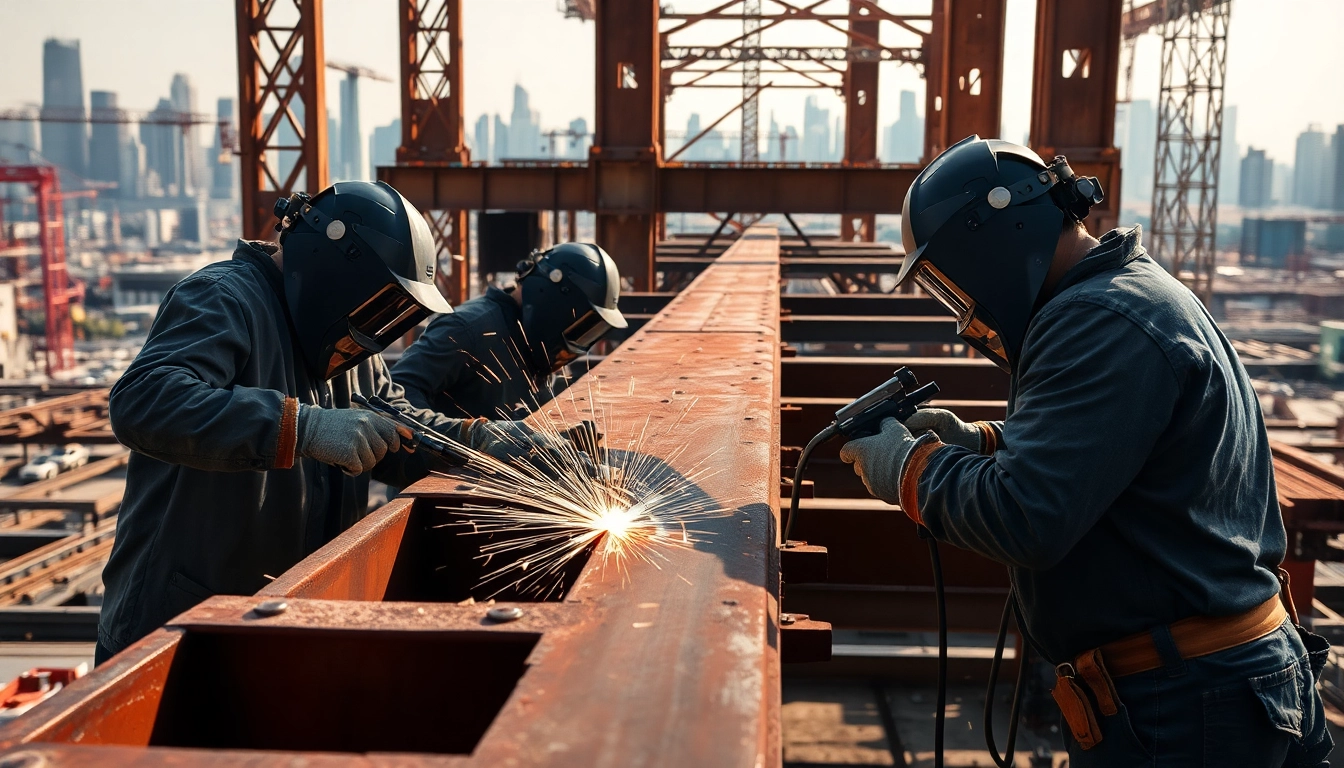
- Radiation Exposure: Arc welding generates ultraviolet and infrared radiation, necessitating protective measures to prevent skin burns and eye damage.
Personal Protective Equipment (PPE) Requirements
To mitigate the aforementioned hazards, appropriate personal protective equipment (PPE) is essential. Key PPE items include:
- Welding Helmets: A quality welding helmet with a proper filter shade protects the eyes and face from harmful radiation and sparks.
- Gloves: Protective gloves designed for welding provide heat and cut resistance, crucial for ensuring safety.
- Protective Clothing: Flame-resistant clothing shields workers from sparks and heat, minimizing burn risks.
- Respirators: In environments with high fumes, appropriate respiratory protection is critical for preventing health issues.
Safety Training Standards and Certifications
Safety training is paramount in structural steel welding to ensure that workers are well-prepared to tackle potential hazards. Various standards and certifications exist to guide training efforts:
- OSHA Standards: The Occupational Safety and Health Administration lays down regulations for safety in the workplace, including rules specific to welding operations.
- American Welding Society (AWS): AWS certifications validate welders' skills and knowledge regarding safety protocols and industry standards.
- Industry-Specific Training Programs: Many industries require specific safety training related to their operations, ensuring compliance with standards relevant to particular scenarios.
Challenges and Solutions in Structural Steel Welding
Addressing Common Welding Defects
Welding defects can lead to structural failures, making it crucial to identify and address them promptly. Common defects include:
- Porosity: Small holes or voids in the weld can weaken its integrity; they typically result from contamination or improper technique. Controlling the shielded gas atmosphere and pre-cleaning materials can help prevent porosity.
- Cracks: Cracking can occur due to thermal stresses or improper cooling rates. Utilizing preheating techniques and controlling the weld pool solidification can mitigate cracking risks.
- Undercut: This defect occurs when the weld metal erodes the base metal, leading to weak joints. Adjusting the welding parameters and maintaining proper speed can reduce the occurrence of undercut.
Techniques for Overcoming Positioning Challenges
Positioning challenges can significantly affect welding quality. Various techniques can enhance adaptability and precision:
- Utilizing Fixturing: Effective fixturing helps secure components in the desired position, ensuring consistent results and reducing the likelihood of misalignment.
- Rotating Tables: Employing rotating work tables allows welders to access parts from different angles, reducing strain and enhancing weld quality.
- Employing Automation: Advanced welding automation reduces human error and increases precision in challenging positions, such as overhead or vertical applications.
Integrating Modern Technology for Enhanced Precision
Incorporating technology into the welding process has drastically improved precision and efficiency. Some notable advancements include:
- Robotic Welding: Robotic systems improve consistency and reduce production times, especially in repetitive tasks. They also decrease the risk of human error.
- Laser Welding: This technique enables precise welds with minimal heat input, reducing warping and other thermal-related defects.
- Welding Simulation Software: Utilizing simulation software allows for virtual testing of welding processes, enabling teams to identify issues before physical implementation.
Measuring Success in Structural Steel Welding
Key Performance Indicators for Welding Projects
Establishing key performance indicators (KPIs) is essential for evaluating the success of welding projects. Common KPIs include:
- Weld Quality Metrics: Monitoring compliance with quality standards, including defect rates and inspection results, provides insight into overall performance.
- Production Efficiency: Assessing the number of welds completed per hour or day helps evaluate productivity levels in various welding processes.
- Cost Management: Analyzing weld-related costs, including materials, labor, and overhead, aids in maintaining budgetary constraints on projects.
Feedback Mechanisms and Continuous Improvement
Continuous improvement is vital in the welding industry. Implementing feedback mechanisms ensures ongoing evaluation and enhancing processes. Vital strategies include:
- Post-Project Reviews: Conducting thorough evaluations after project completion allows teams to identify areas for improvement based on both successes and setbacks.
- Employee Input: Encouraging staff feedback on processes and safety protocols fosters a culture of continuous improvement and innovation.
- Regular Training Updates: Ongoing training sessions ensure that welders stay up to date with the latest techniques, standards, and safety practices, fostering a knowledgeable workforce.
Case Studies of Successful Structural Steel Welding Projects
Analyzing successful case studies illuminates effective practices and innovative approaches in structural steel welding. These real-world scenarios demonstrate the application of best practices:
- High-Rise Building Construction: A project showcasing advanced robotic welding technology yielded significant time savings and improved weld quality, demonstrating the efficacy of automation in challenging environments.
- Bridge Reinforcement: Through meticulous planning and skilled execution, a bridge reinforcement project achieved superior structural integrity, emphasizing the importance of quality control protocols.
- Industrial Facility Expansion: A well-coordinated strategy involving collaborative team efforts and continuous feedback led to a seamless project completion, illustrating the value of communication in welding operations.