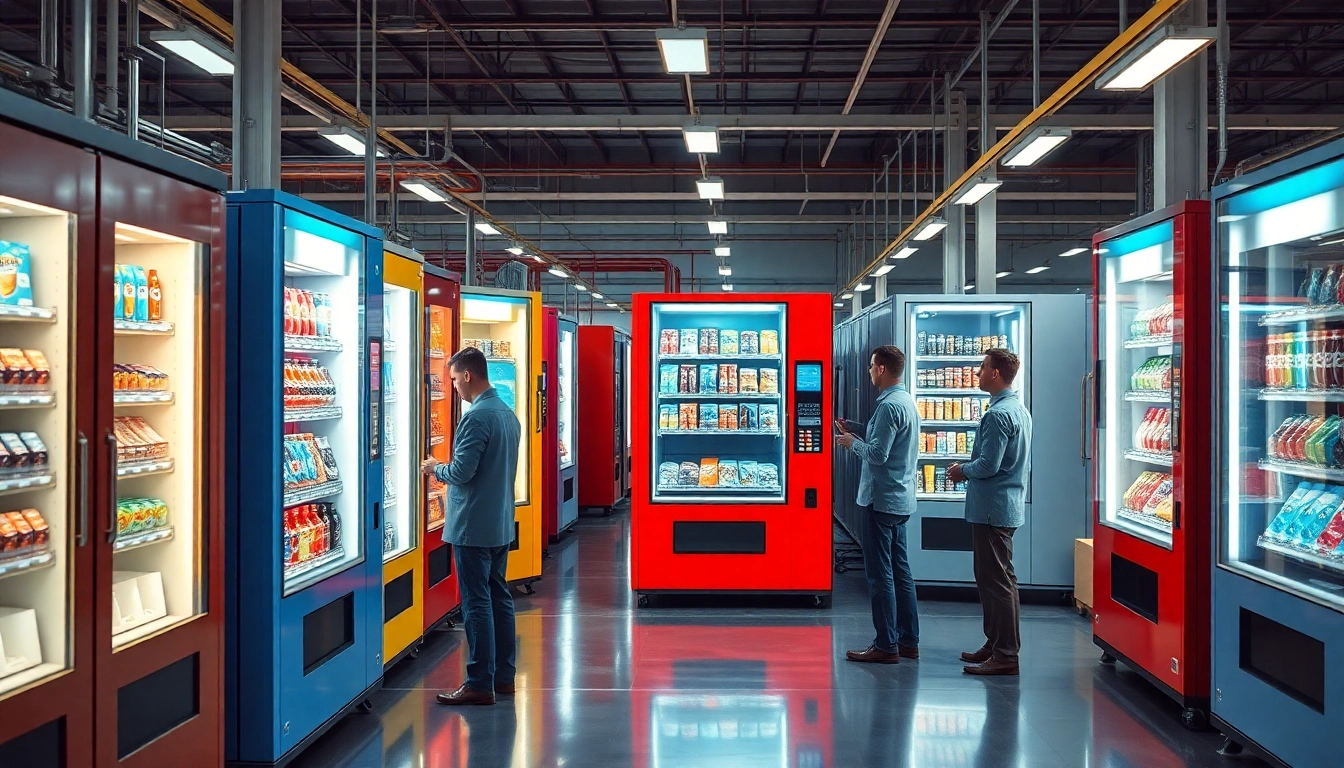
Understanding the Vending Machine Landscape
The vending machine industry has undergone a remarkable transformation over the past few decades, evolving from simple snack dispensers to complex smart retail solutions. This evolution has been driven by advancements in technology, changing consumer preferences, and a desire for convenient access to goods. As the market expands, so does the number of vending machine manufacturers that are pushing the boundaries of innovation. In this article, we will explore the evolution of vending machines, identify key players in the manufacturing industry, and discuss emerging market trends that are shaping the future of vending solutions.
1. The Evolution of Vending Machines
Vending machines have come a long way since their inception. Initially designed to provide simple snack options, the introduction of technology has expanded their capabilities significantly. In the early 2000s, vending machines were primarily mechanical, relying on coin-operated mechanisms. Today, technological advancements have enabled the integration of touchscreens, cashless payment systems, and even AI-based inventory management systems.
Furthermore, the introduction of smart vending machines has redefined consumer interaction. These machines are now equipped with Internet of Things (IoT) technology that allows for real-time monitoring of inventory levels, sales data, and maintenance needs. This shift not only enhances operational efficiency but also improves the user experience by offering personalized product recommendations based on consumer behavior.
2. Key Players in the Vending Machine Manufacturing Industry
Several companies have established themselves as leaders in the vending machine manufacturing sector. Traditional manufacturers like Seaga and AMS have adapted to the changing landscape by integrating new technologies into their products. However, newer companies such as IMT are distinguishing themselves through extensive customization options and innovative designs. IMT’s combination of advanced hardware and software capabilities makes it a formidable player, particularly in the smart retail space.
Additionally, the competition has led to a diverse range of products that cater to various market niches, from traditional snack and beverage machines to specialized options like pharmaceutical and hot food vending machines. This diversification is crucial as consumers seek more tailored solutions that align with their preferences and lifestyles.
3. Market Trends Shaping the Future of Vending Machines
As we look towards the future, several trends are emerging that will shape the vending machine sector:
- Sustainability: Consumers are increasingly concerned about environmental impact. Vending machine manufacturers are responding by exploring eco-friendly materials and energy-efficient technologies.
- Smart Technology: The integration of AI and IoT is set to revolutionize vending operations, enabling machine operators to optimize inventory management and enhance customer engagement.
- Health and Wellness Offerings: The demand for healthy snack options is rising, prompting manufacturers to include nutritious products in their vending selections.
- Contactless Payments: In a post-pandemic world, the shift towards cashless transactions continues to grow, making it imperative for vending machines to accommodate mobile and digital payment methods.
Custom Solutions from Vending Machine Manufacturers
Customization is at the heart of what makes modern vending machines appealing to businesses. By offering tailored solutions, manufacturers can meet specific consumer needs and enhance overall satisfaction.
1. Importance of Tailored Vending Machine Designs
Custom vending machines allow businesses to provide unique offerings that align with their brand and the preferences of their customers. For instance, a coffee shop might use a vending machine that not only dispenses coffee but also offers a selection of pastries tailored to their menu. This level of customization can significantly enhance the customer experience and drive sales.
2. How Customization Enhances Consumer Experience
With the ability to customize vending machines, brands can create a more engaging and relevant shopping experience. Personalized machines can feature branding elements, customized product selections, and even promotions based on customer data. For example, IMT has pioneered the use of multi-brand phone case vending machines, which significantly outperform single-brand models by catering to a wider audience.
3. Case Studies: Successful Implementations of Customized Machines
There are numerous examples of how customization has led to increased sales and customer satisfaction. In a recent case study, an IMT vending machine that offered multibranded phone cases reported a 220% sales increase within the first few months of operation. This success is largely attributed to the machine’s ability to engage consumers by providing a variety of options that catered to diverse smartphone users, supported by smart storage and UV printing technology for quality assurance.
Technological Innovations in Vending Machines
Technological advancements continue to reshape the vending machine landscape. From AI-driven backend systems to IoT implementations, the future of vending is increasingly digital and data-driven.
1. Software Advancements: AI and Inventory Management
With the advent of AI technologies, vending machine manufacturers are now able to implement sophisticated inventory management systems that optimize stock levels and reduce waste. IMT’s VendingOS, an AI backend system, allows operators to manage their machines remotely, offering real-time data on sales, inventory, and even dynamic pricing adjustments based on demand.
2. The Role of IoT in Modern Vending Solutions
The integration of IoT devices into vending machines facilitates seamless communication between machines and operators. This technology improves not only monitoring and maintenance but also enhances user interactions through features such as cashless payments, personalized advertisements, and targeted promotions based on customer behavior.
3. Emerging Technologies: What to Expect in 2025
As we approach 2025, it's expected that vending machines will further incorporate technologies like blockchain for transaction security, augmented reality for enhanced customer engagement, and advanced analytics to predict consumer trends. These innovations will not only improve operational efficiencies but also create a more personalized shopping experience for consumers.
Challenges Facing Vending Machine Manufacturers Today
Despite the opportunities presented by technological advancements and customization, the vending machine manufacturing sector faces several challenges that must be addressed to sustain growth.
1. Supply Chain Disruptions and Their Impact
Global supply chain disruptions have affected many industries, including vending machine manufacturing. Delays in raw materials and components can hinder production timelines, affecting delivery and operational efficiency. Manufacturers must adopt more resilient supply chain strategies to mitigate these impacts.
2. Navigating Consumer Preferences and Trends
Consumer preferences are shifting rapidly, influenced by trends in health, convenience, and sustainability. Vending machine manufacturers must stay ahead of these trends by regularly updating their product offerings and investing in market research to understand evolving consumer needs better.
3. Environmental Considerations and Sustainability in Manufacturing
The push for more sustainable practices is becoming increasingly important. Manufacturers face pressure to reduce their environmental impact by utilizing eco-friendly materials, minimizing waste, and improving energy efficiency in their machines. Embracing these practices not only meets consumer demand but also helps manufacturers comply with increasingly strict regulations.
Looking Ahead: The Future of Vending Machine Manufacturing
As we look to the future, vending machine manufacturers must adapt to remain competitive in a rapidly evolving market. The following strategies will be crucial for success in the coming years.
1. Predictions for the Vending Machine Market in 2025
Market predictions indicate significant growth in the vending machine sector, driven by increased demand for smart and automated solutions. By 2025, the market is expected to expand as more businesses recognize the value of vending machines in enhancing customer convenience and driving sales.
2. Strategies for Growth and Adaptation
To thrive in this competitive landscape, manufacturers should invest in R&D to innovate their product offerings continually. Building partnerships with businesses across various sectors can also facilitate the development of customized machines that meet specific market needs.
3. The Growing Importance of Customer Engagement
As the industry evolves, the need to engage customers through technology and personalized service will become more critical. Manufacturers must implement strategies that leverage data analytics to create targeted marketing campaigns and improve customer interaction with vending machines.