Understanding Construction Site Safety
Definition and Importance
Construction site safety refers to the protocols, procedures, and guidelines implemented to protect workers from hazards associated with construction activities. Ensuring construction site safety is crucial not only for compliance with legal norms but also to foster a culture of care and concern among workers. By implementing robust safety practices, companies can minimize accidents, thus leading to enhanced productivity and morale.
Key Statistics in Construction Safety
The construction industry is one of the most hazardous sectors, with statistics revealing alarming figures. According to data from global health organizations, construction accounts for approximately 20% of all workplace fatalities. Furthermore, the National Institute for Occupational Safety and Health (NIOSH) reports that about 60,000 construction-related injuries occur annually, often resulting in significant downtime and financial loss for businesses. Understanding these numbers highlights the pressing need for stringent safety measures on construction sites.
Common Risks on Construction Sites
Construction sites present various risks that can lead to accidents and injuries. Common hazards include:
- Falls: The leading cause of fatalities, often occurring from heights or due to uneven surfaces.
- Struck-by Objects: Workers can be injured by tools, equipment, and materials that fall or are improperly handled.
- Electrical Hazards: Exposure to live wires and faulty equipment can result in severe injuries or fatalities.
- Caught-in/Between Hazards: Workers can become trapped in machinery or struck by collapsing structures.
- Exposure to Hazardous Materials: Chemicals and dust created during construction can pose respiratory and skin health risks.
Implementation of Safety Protocols
Essential Safety Gear and Equipment
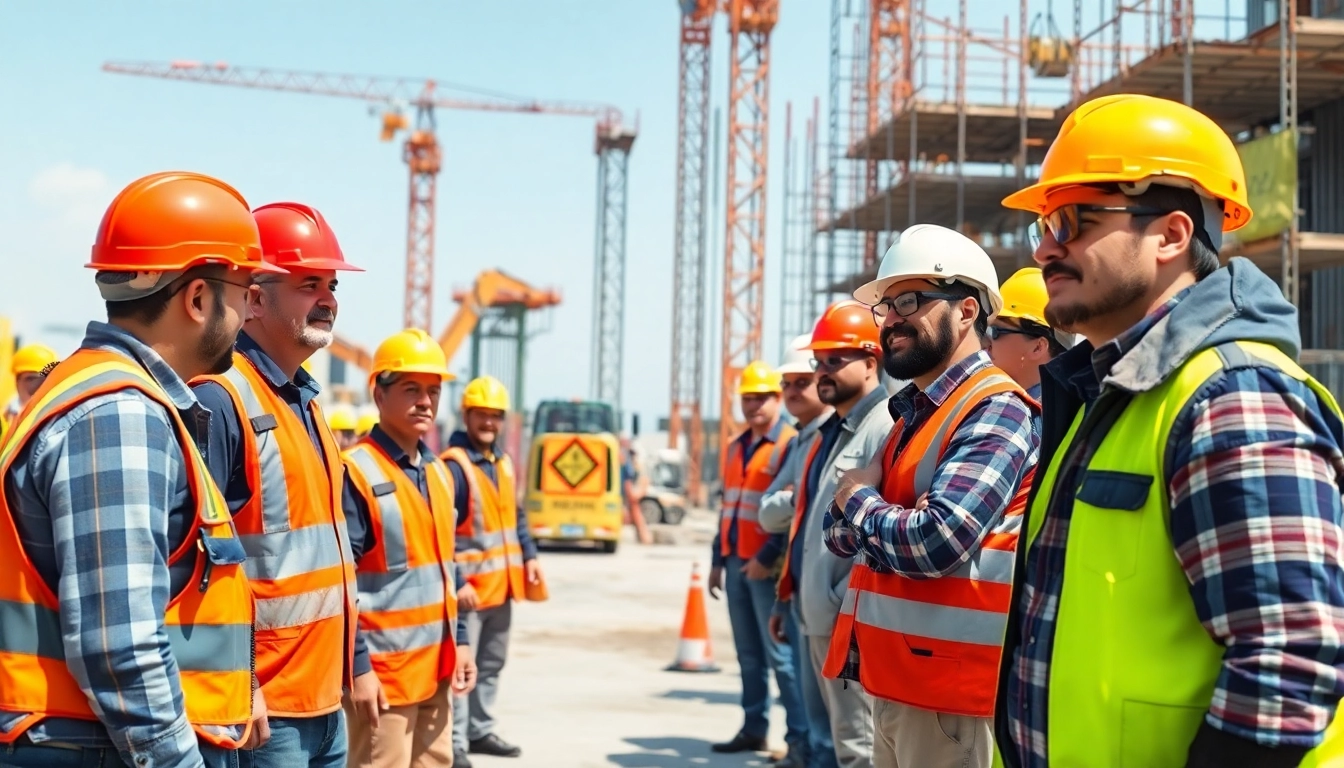
The foundation of a safe construction site is the proper use of personal protective equipment (PPE). Essential safety gear includes hard hats, gloves, safety goggles, and steel-toed boots. High-visibility clothing is crucial for workers operating near machinery. Regular inspections should ensure that all equipment meets safety standards and is in good working condition. Additionally, safety barriers, signage, and proper lighting must be maintained to create a safer work environment.
Establishing Safety Procedures
Companies must develop comprehensive safety procedures that address the unique challenges of their construction projects. These procedures should include a hierarchy of controls, such as:
- Elimination: Removing hazards entirely when feasible.
- Substitution: Replacing dangerous materials with safer alternatives.
- Engineering Controls: Using machinery or design modifications to reduce risk.
- Administrative Controls: Implementing policies that promote safety.
- Personal Protective Equipment: Ensuring workers use PPE as a last line of defense.
Regularly communicating and updating these procedures is critical for maintaining a culture of safety on-site.
Training and Awareness Programs
Effective training programs are vital for equipping workers with the knowledge and skills needed to recognize hazards and respond appropriately. Safety training should be comprehensive and include:
- Orientation for new employees.
- Regular refreshers for existing staff.
- Specialized training for the operation of heavy machinery.
- Emergency response drills and first-aid training.
By fostering safety awareness, companies can empower workers to take an active role in maintaining their safety and that of their colleagues.
Monitoring and Compliance
Inspections and Audits
Regular inspections and audits are essential for assessing compliance with safety standards. Employers should establish a schedule for ongoing site inspections, focusing on high-risk areas and tasks. Audits should examine adherence to safety protocols and identify areas for improvement. Involving workers in inspections can enhance accountability and encourage a shared commitment to safety.
Reporting Incidents Effectively
To improve safety protocols, it is essential to effectively report and analyze incidents. A clear reporting structure should enable workers to easily communicate unsafe conditions, near misses, and injuries. All reported incidents should be documented in detail, analyzed for root causes, and addressed promptly to prevent future occurrences.
Regulatory Compliance for Safety Standards
Adhering to local, regional, and national safety regulations is imperative. Government bodies, such as OSHA in the United States, set specific standards and guidelines that must be followed. Companies should keep abreast of any changes in safety regulations and ensure that their practices are up to date, thereby minimizing legal risks and enhancing worker safety.
Improving Safety Culture on Sites
Building a Positive Safety Mindset
Creating a safety-oriented culture begins with leadership commitment. Leaders should model safe behaviors and prioritize safety over production demands. Implementing reward systems for safe practices and maintaining open lines of communication encourages all workers to participate actively in safety initiatives. This mindset shift can elevate the overall safety performance of the organization.
Engaging Workers in Safety Discussions
Engaging employees in safety-related discussions fosters a collaborative environment. Regular safety meetings and toolbox talks should be held to discuss ongoing safety concerns, address worker feedback, and review best practices. This inclusivity not only enhances safety awareness but also strengthens team cohesion.
Recognizing Safe Behaviors
Positive reinforcement plays a critical role in promoting safety. Recognition programs that celebrate safe behaviors contribute to an enthusiastic safety culture. By showcasing workers who consistently adhere to safety protocols, organizations can inspire others to follow suit and demonstrate the value placed on safety within the workplace.
Future Trends in Construction Site Safety
Technology's Role in Enhancing Safety
The construction industry is increasingly adopting technology to advance safety measures. Innovations such as wearable safety technology, drones for site inspections, and virtual reality for training are becoming commonplace. These technologies not only improve safety outcomes but also help to streamline operations and reduce costs associated with errors and accidents.
Innovative Safety Solutions
Emerging safety solutions, such as augmented reality for real-time hazard identification and predictive modeling for risk assessment, are reshaping how organizations approach construction safety. By integrating such tools into their operations, companies can anticipate risks and deploy targeted measures to mitigate them.
Predictive Analytics for Risk Management
Predictive analytics leverages data to forecast potential incidents and accidents. By analyzing past safety data, construction firms can identify trends and make informed decisions regarding safety protocols and resource allocation. This proactive approach to risk management is vital in reducing accidents and improving overall site safety performance.
FAQs
What is construction site safety?
Construction site safety refers to the procedures implemented to protect workers from hazards while working on construction projects. It includes guidelines, training, and equipment designed to prevent accidents and injuries.
Why is safety training important?
Safety training ensures that workers are aware of potential hazards and know how to mitigate risks effectively. It promotes a safety-oriented culture and can significantly reduce the likelihood of accidents on site.
What equipment is required for construction site safety?
Essential safety equipment includes hard hats, gloves, safety goggles, steel-toed boots, and high-visibility clothing. This gear is crucial for protecting workers from injuries on site.
How often should safety inspections be conducted?
Safety inspections should be conducted regularly, often weekly or monthly, depending on project size and type. These inspections help identify hazards and ensure compliance with safety standards.
What role does technology play in construction safety?
Technology enhances construction safety through innovative solutions like wearables, drones for inspections, and virtual reality training, which streamline operations and improve risk management.