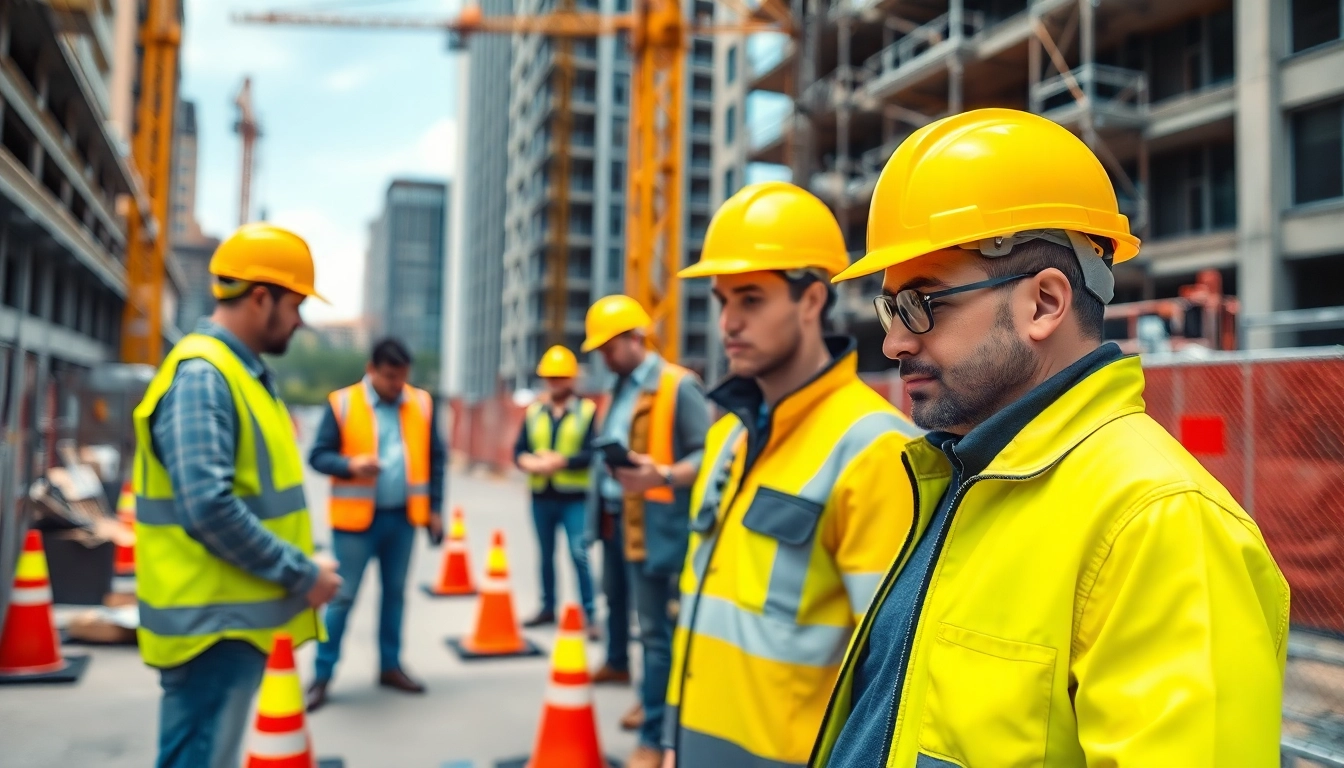
Understanding Construction Site Safety
Construction site safety is a fundamental aspect of any construction project. It ensures the well-being of workers, visitors, and the surrounding community. A construction site is full of potential hazards that can lead to serious accidents if proper safety protocols are not in place. By prioritizing construction site safety, companies not only protect their workforce but also enhance productivity and compliance with regulations.
Importance of Construction Site Safety
Ensuring safety on construction sites is crucial for several reasons. Firstly, it minimizes the risk of accidents and injuries, which can lead to loss of life, severe injuries, or long-term health issues for workers. Secondly, safety measures enhance project efficiency; fewer accidents mean less downtime, which translates into cost savings and timely project completions. Furthermore, organizations with strong safety records tend to attract and retain top talent, improving overall morale and workforce reliability. Lastly, regulatory compliance is critical. Non-compliance can result in severe penalties, lawsuits, and loss of reputation.
Common Hazards in Construction
Construction sites are inherently risky due to various hazards. Understanding these common risks is the first step towards mitigating them effectively. Some prevalent hazards include:
- Falls: The leading cause of injuries in construction, falls can occur from ladders, scaffolds, or roofs.
- Electrical Hazards: These involve improper use of electrical tools and equipment, leading to shocks or fires.
- Machinery Accidents: Heavy machinery and equipment can pose threats if not operated or maintained properly.
- Hazardous Materials: Many construction sites involve exposure to toxic chemicals, asbestos, or other hazardous substances.
- Slips, Trips, and Falls: Poor housekeeping practices can create obstacles leading to these accidents.
Regulations and Compliance Requirements
The construction industry is strictly regulated to ensure safety and health standards. Organizations must comply with local and national regulations, such as those outlined by OSHA (Occupational Safety and Health Administration) in the United States. These regulations cover everything from machinery safety to employee training requirements. Companies must conduct regular training, maintain necessary records, and partake in safety audits to demonstrate compliance. Understanding and implementing these regulations not only protects employees but also safeguards the organization against legal consequences.
Best Practices for Enhancing Safety
Implementing best practices is essential for creating a culture of safety on construction sites. By embedding safety into every aspect of the project, organizations can significantly reduce risks.
Conducting Safety Training and Drills
Regular safety training is paramount. It ensures that all employees are aware of potential hazards and understand safety protocols. Training should include specific tasks, emergency procedures, and proper equipment usage. Additionally, conducting safety drills helps workers practice responses to emergencies like fires, foreign gas leaks, or natural disasters. Mock drills can reveal potential weaknesses in emergency response plans, ensuring a proactive approach to safety.
Utilizing Safety Equipment Effectively
Proper use of personal protective equipment (PPE) is crucial for safety. Relevant gear includes hard hats, safety goggles, gloves, and harnesses. Organizations must conduct regular inspections and ensure that equipment is in good condition. Workers should receive training on how to use safety equipment correctly, emphasizing the importance of wearing gear at all times. Having accessible and safe first aid kits and emergency response equipment should also be mandatory on-site.
Establishing Clear Safety Protocols
Clear, written safety protocols provide a framework for behavior on construction sites. These protocols should outline procedures for reporting hazards, handling emergencies, and conducting regular safety inspections. Furthermore, involving workers in developing these protocols can enhance adherence, as they can offer valuable insights based on their experiences. Promoting an open environment where workers feel comfortable reporting unsafe conditions is vital for continuous improvement in site safety.
Implementing Safety Plans on Site
A well-defined safety plan is instrumental in managing safety effectively on construction sites. This plan serves as a roadmap for risk management throughout the project, securing a safer working environment.
Developing a Site Safety Plan
A site safety plan should be tailored to the specific project and its unique hazards. It should detail hazard assessments, safety procedures, emergency contacts, and the responsibilities of all personnel. Risk assessment strategies like Job Safety Analysis (JSA) or Hazard Identification and Risk Assessment (HIRA) can help in identifying potential risks ahead of time, allowing for proactive measures to be put in place.
Assigning Safety Roles and Responsibilities
Designated safety roles help distribute safety responsibilities throughout the team. Assigning a Safety Officer or Supervisor not only leads safety initiatives but also ensures accountability. Each worker should have clear job descriptions that include safety responsibilities. By cultivating a sense of ownership over safety practices, workers are more likely to engage in safe practices actively.
Regularly Updating Safety Plans
As projects evolve, so do the associated risks. Therefore, regularly updating the safety plan is necessary. This can include revising protocols based on newly identified hazards, changes in equipment, or after accidents. Additionally, incorporating feedback from team members on safety practices can drive continuous improvement. Regular reviews and updates ensure that safety measures remain relevant and effective.
Monitoring and Evaluating Safety Performance
Monitoring and evaluating safety performance helps organizations understand the effectiveness of their safety initiatives and pinpoint areas for improvement.
Using Safety Metrics and KPIs
Establishing safety metrics and Key Performance Indicators (KPIs) allows organizations to assess their safety performance objectively. Metrics such as the number of incidents, near misses, and lost-time injuries provide insights into safety performance trends. Tracking these metrics over time can help identify patterns, enabling organizations to implement targeted interventions as necessary.
Conducting Regular Safety Audits
Regular safety audits are fundamental in maintaining a safe construction environment. These inspections help identify non-compliance with safety protocols and uncover potential hazards. Audits should be comprehensive, covering equipment, processes, and training records. Following an audit, it’s essential to follow up on findings and implement necessary changes promptly to resolve any issues identified.
Gathering Feedback from Workers
Employee feedback is a rich source of intelligence regarding safety practices. Implementing channels for workers to express their concerns or suggestions can enhance safety protocols. Regular safety meetings or anonymous surveys can invite honest discussions about perceived hazards or inefficiencies in current safety practices. By valuing input from the workforce, organizations can foster a culture of safety and encourage proactive risk management.
FAQs about Construction Site Safety
What are key components of a construction site safety plan?
A construction site safety plan should include a hazard assessment, safety protocols, emergency procedures, assignment of safety roles, and training requirements to ensure comprehensive safety management.
How often should safety training be conducted on-site?
Safety training should be held regularly, ideally at the start of each project, after an incident, and whenever new equipment or processes are introduced to keep all workers informed and prepared.
What types of personal protective equipment are essential?
Essential personal protective equipment includes hard hats, safety goggles, gloves, steel-toed boots, and harnesses. The selection should be based on specific site hazards to ensure adequate protection.
How can we identify potential hazards at a job site?
Potential hazards can be identified through thorough site assessments, regular inspections, consulting with safety personnel, and soliciting worker feedback, ensuring comprehensive awareness of risks.
What are the legal consequences of ignoring safety regulations?
Ignoring safety regulations can lead to severe penalties, including fines, legal action, work stoppage, and increased insurance costs. It can also result in serious injuries or fatalities, affecting reputation and employee morale.