Overview of Manaslu Circuit Trekking
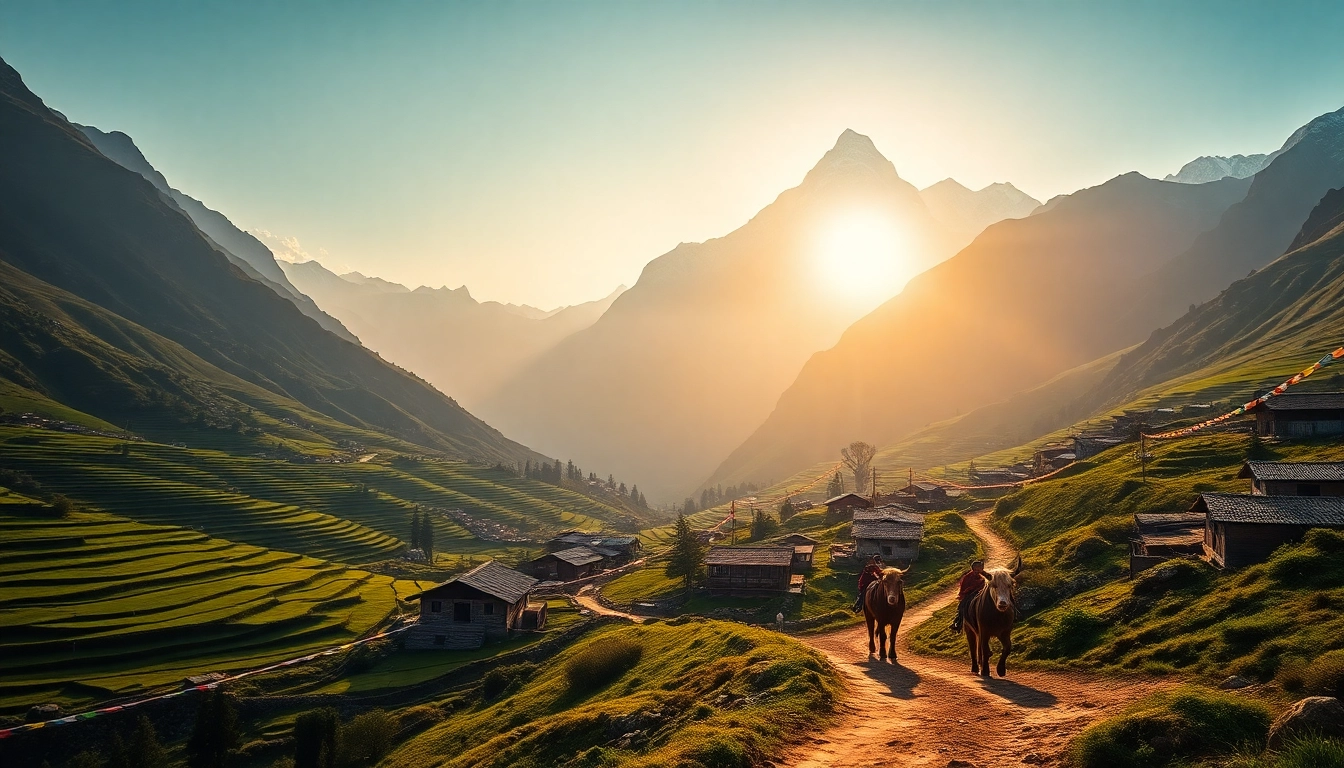
Renowned as one of Nepal's most breathtaking yet less-traveled routes, the manaslu circuit trekking offers adventurers a unique blend of natural beauty and cultural richness. Nestled in the majestic Himalayas, this trek encircles Mount Manaslu, the eighth-highest peak in the world, and showcases stunning landscapes, serene villages, and an opportunity to immerse oneself in the rich tapestry of Tibetan and Nepali culture. Over the course of 15 days, trekkers experience diverse environments that range from lush subtropical forests to stark alpine deserts. The journey not only challenges physical endurance but also rewards trekkers with some of the most spectacular panoramas on the planet.
What is the Manaslu Circuit Trek?
The Manaslu Circuit Trek is a stunning trekking route that takes you around Manaslu Mountain, offering breathtaking views and a rich cultural experience. Covering approximately 177 kilometers (about 110 miles), this trek starts from the quaint village of Machha Khola and ends in Dharapani, making its way through picturesque villages, lush forests, and dramatic mountain passes. The trail's highest point, the Larkya La Pass at 5,216 meters (17,112 feet), provides an unparalleled perspective of the Himalayan skyline, making the trek both challenging and rewarding.
Why Choose Manaslu Circuit Trekking?
Choosing the Manaslu Circuit Trek over more popular routes, like the Annapurna Circuit, offers a chance for solitude and immersion in local culture. This trek is less crowded, allowing for a more personal experience with nature and the welcoming local communities. The unique combination of breathtaking landscapes and rich cultural experiences draws adventurous trekkers looking for a true Himalayan adventure.
Unique Features of the Trek
- Less Crowded: As one of the lesser-known trekking circuits in Nepal, it provides a more tranquil experience compared to other popular treks.
- Diverse Ecosystems: The trek traverses varied landscapes, including rice paddies, forests, and high-altitude deserts, showcasing the region's ecological richness.
- Cultural Encounters: Interaction with local communities, including traditional Gurung and Tibetan villages, allows trekkers to engage deeply with the local culture.
- Scenic Awesomeness: Iconic views of the Manaslu mountain range, including peaks like Ngadi Chuli and Himlung, will take your breath away.
Planning Your Manaslu Circuit Trek
Preparation is key for a successful trek. Understanding the logistics, required permits, and the right time to visit plays a crucial role in ensuring an enjoyable experience. Proper planning not only enhances the trekking experience but also keeps trekkers safe and well-prepared for the challenges ahead.
Best Time to Trek Manaslu Circuit in 2025
The ideal trekking seasons for the Manaslu Circuit are typically in spring (March to May) and autumn (September to November). Spring offers mild weather, blooming flowers, and clear skies. Conversely, autumn provides stunning views and stable weather conditions, though temperatures start to dip as winter approaches. Trekking during the monsoon (June to August) is less recommended due to heavy rainfall and risk of landslides, while winter (December to February) presents extreme cold and snow, making trails less accessible.
Necessary Permits for Manaslu Circuit Trekking
Before embarking on the trek, trekkers must secure several permits. These include the Manaslu Conservation Area Permit (MCAP), the Manaslu Restricted Area Permit (MRAP), and the Trekkers’ Information Management System (TIMS) card. It’s crucial to arrange these permits in advance, as they are needed at various checkpoints along the trail to ensure a safe and regulated trekking environment.
Creating Your Packing List
Creating a thorough packing list is essential for any trek, especially one as demanding as the Manaslu Circuit. Essential items include warm clothing, sturdy trekking boots, a good-quality sleeping bag rated for sub-zero temperatures, and appropriate trekking gear such as walking poles, sunglasses, and a waterproof jacket. Additionally, it is advisable to pack a first-aid kit, personal hygiene items, and enough snacks to keep energy levels up during long trekking days.
Manaslu Circuit Trek Itinerary
The itinerary for the Manaslu Circuit Trek is carefully crafted to accommodate acclimatization schedules while allowing trekkers to experience the journey's diverse environments and cultural sites. The standard itinerary spans 15 days and involves daily treks of varying lengths and challenges, ensuring that trekkers can enjoy the process while adapting to altitude changes.
Day-by-Day Breakdown of the Trek
- Day 1: Arrival in Kathmandu – Transfer to hotel
- Day 2: Drive to Machha Khola – 8 to 10 hours
- Day 3: Trek to Jagat – 6 to 7 hours
- Day 4: Trek to Deng – 6 to 7 hours
- Day 5: Trek to Namrung – 7 to 8 hours
- Day 6: Trek to Lho – 3 to 4 hours
- Day 7: Trek to Samagaon – 3 to 4 hours
- Day 8: Acclimatization Day in Samagaon – Hike to Birendra Lake and Manaslu Base Camp
- Day 9: Trek to Samdo – 3 to 4 hours
- Day 10: Trek to Dharmashala – 4 to 5 hours
- Day 11: Trek to Bimthang via Larkya La Pass – 8 to 9 hours
- Day 12: Trek to Goa – 5 to 6 hours
- Day 13: Trek to Dharapani – 3 to 4 hours
- Day 14: Drive to Kathmandu – 10 to 12 hours
- Day 15: Transfer to International Airport for departure
Key Highlights Along the Route
- The stunning Larkya La Pass, offering panoramic views of the majestic Himalayas.
- Birendra Lake, known for its serene beauty and as an acclimatization spot.
- Cultural immersion in villages like Samagaon and Lho, showcasing Tibetan-influenced life.
- Views of the towering peaks of Manaslu, Himlung, and Kang Guru throughout the trail.
Accommodation Options during the Trek
During the trek, accommodations typically consist of teahouses and lodges that provide basic yet comfortable lodging. Rooms are often shared with other trekkers, and while private rooms may be available in some locations, they cannot be guaranteed, especially during peak season. Guesthouses along the trail often serve hearty meals that reflect the local culture, giving trekkers a taste of traditional Nepali cuisine.
Physical Preparation for Manaslu Circuit Trekking
Preparation is critical for success on the Manaslu Circuit Trek. It involves not just gathering gear and permits but also ensuring that trekkers are physically ready to tackle the challenges of high-altitude trekking.
Understanding Trek Difficulty Levels
The Manaslu Circuit is categorized as a moderately difficult trek. With daily trekking hours ranging from 5 to 8, it demands good physical fitness and endurance. Trekkers will face varied terrain, including steep ascents and descents, especially on the approach to Larkya La Pass, which requires careful navigation.
Physical Fitness Regimen for Trekkers
A physical fitness regimen should ideally commence two months prior to the trek. It is recommended to engage in cardio workouts, strength training, and longer hikes to build stamina. Activities such as running, cycling, and incline walking can greatly enhance endurance and strength, preparing you for the daily challenges of the trek.
Acclimatization Strategies During the Trek
Effective acclimatization is crucial for preventing altitude sickness. The itinerary is designed to include acclimatization days, especially in Samagaon, where trekkers can adjust to the elevation. It is advisable to hydrate consistently, eat well, and avoid exertion during these critical days to ensure adaptation to higher altitudes.
Experiencing Local Culture on the Manaslu Circuit
One of the most enriching aspects of the Manaslu Circuit Trek is the genuine interaction with local communities and their vibrant culture. The blend of trekking amidst breathtaking landscapes while being immersed in local lifestyles enhances the overall trekking experience.
Traditional Foods to Enjoy During the Trek
Along the route, trekkers can indulge in traditional dishes such as dal bhat (rice and lentil curry), momos (dumplings), and various seasonal vegetables. Most teahouses provide hearty meals that cater to both vegetarians and non-vegetarians, ensuring that trekkers stay nourished and energized for the journey ahead.
Interaction with Local Communities
Interacting with locals is a highlight of the Manaslu Circuit. Trekkers can engage with the Gurung communities and learn about their customs, traditions, and everyday life. This exchange enriches the trekking experience, providing insights into the diverse cultural tapestry of Nepal.
Cultural Etiquette and Respectful Trekking Practices
While trekking, it is important to be respectful of local customs and traditions. This includes dressing modestly, asking for permission when taking photographs of people, and being mindful of local practices. Understanding and adhering to cultural etiquette not only enhances your experience but also fosters goodwill and respect between trekkers and the local communities.