Understanding Ceramic Window Tint
Ceramic window tint has gained significant attention in recent years as a premium choice for vehicle protection and aesthetics. It is a type of window film that uses advanced ceramic technology to provide numerous advantages over traditional tints. This innovative product is widely recognized in the automotive industry for its excellent insulating properties and UV protection. Notably, many car enthusiasts and everyday drivers rely on ceramic window tint to enhance their vehicles’ performance and comfort without compromising visibility.
What is Ceramic Window Tint?
Ceramic window tint is specifically designed using advanced ceramic particles that reflect heat and UV rays while allowing visible light to pass through. Unlike dye-based or metallic tints, ceramic tints do not interfere with electronic devices and provide an aesthetically pleasing finish. They are typically available in various shades, allowing users to customize the look of their vehicles while benefiting from superior heat rejection and glare reduction.
Benefits of Ceramic Window Tint
The benefits of ceramic window tint extend far beyond its sleek appearance. Some of the key advantages include:
- Heat Rejection: Ceramic window tint significantly reduces solar heat gain, leading to a cooler interior, less reliance on air conditioning, and improved fuel efficiency.
- UV Protection: With up to 99% UV protection, ceramic window tint can help protect passengers' skin and prevent upholstery from fading due to sun exposure.
- Glare Reduction: The advanced technology helps to minimize glare, enhancing visibility for drivers and passengers alike.
- Improved Comfort: By regulating interior temperatures, it contributes to a more comfortable driving experience on hot days.
How It Differs from Other Tints
Ceramic window tint sets itself apart from other types of window films in several ways:
- Performance: Unlike dyed films, which can fade over time, ceramic tints maintain their performance integrity without changing color.
- Non-metallized: Ceramic films are non-metallic, meaning they do not interfere with GPS, Bluetooth, or cellular signals, a significant concern with metal-based tints.
- Durability: The construction of ceramic window tint offers durability against scratches and damage, making it a long-lasting investment.
Advantages of Using Ceramic Window Tint
Heat Reduction Properties
One of the standout features of ceramic window tint is its incredible heat rejection capabilities. Studies have shown that it can reject significant percentages of heat from the sun, which helps to lower the internal temperature of vehicles. This is particularly beneficial for those living in hotter climates, where the sun's rays can make driving uncomfortable and increase energy costs linked to air conditioning usage. With this type of tint, property owners and drivers can enhance their comfort while reducing energy expenses.
UV Protection Benefits
UV protection is another critical advantage of ceramic window tint. Exposure to harmful UV rays can lead to skin damage and various health concerns. Ceramic window tint blocks a significant percentage of these rays, ensuring that occupants are safeguarded from potential sun damage. This protection extends to the vehicle’s interior, preserving materials and colors from fading and deterioration due to sunlight, thus maintaining the vehicle's resale value.
Improved Privacy and Security
Ceramic window tint enhances both privacy and security for vehicle owners. It obscures the view into the vehicle without compromising the driver's visibility, making it harder for potential thieves to see valuables left inside. Additionally, the added layer of thickness provided by the ceramic film can deter break-ins, as it offers increased resistance against shattering. This makes ceramic window tint not only a stylish choice but also a practical security measure.
Installation Process of Ceramic Window Tint
Preparing Your Vehicle for Tinting
Before getting ceramic window tint installed, it’s crucial to prepare your vehicle adequately. This process includes cleaning the windows thoroughly to remove any dirt, dust, or residues that could affect adhesion. It’s also recommended to inspect the tinting area for any scratches or defects on the glass.
Step-by-Step Installation Guide
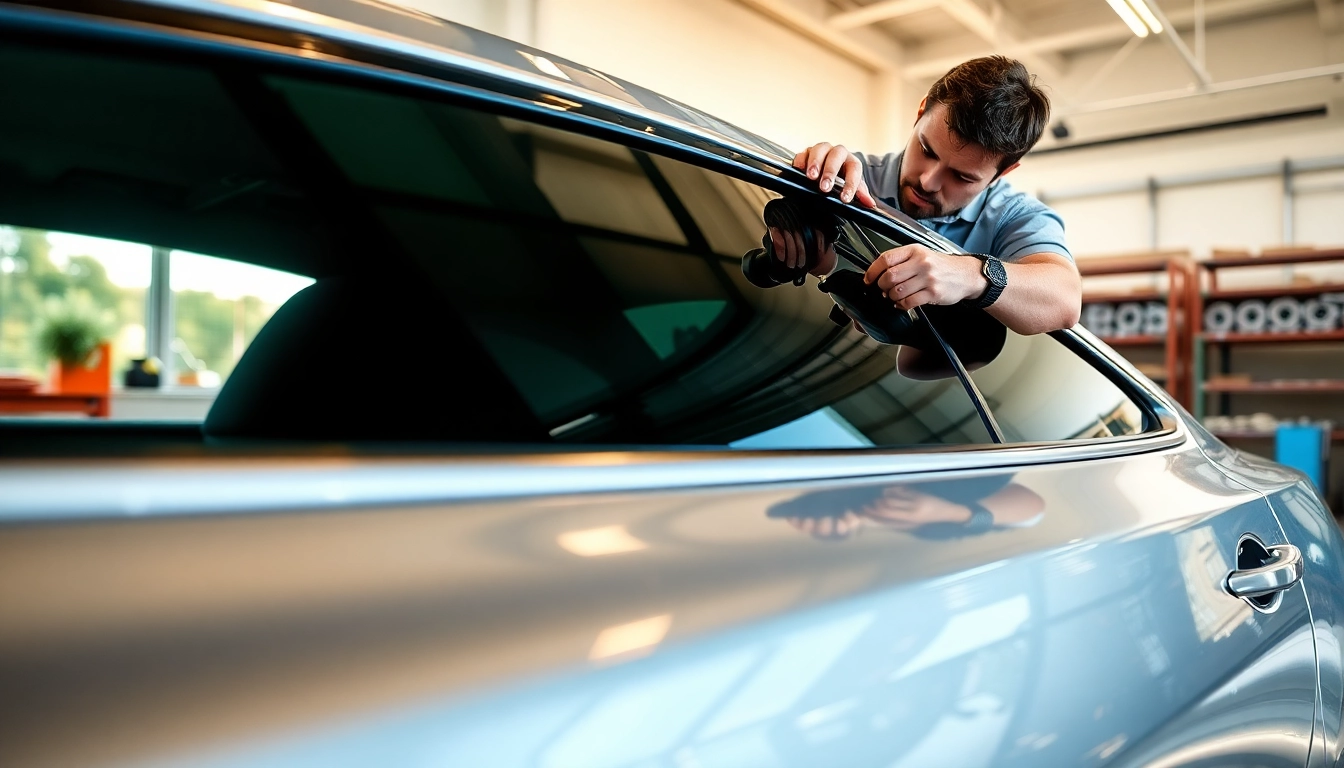
The installation of ceramic window tint can be a meticulous process and is often best left to professionals. However, here is a simplified overview of the steps involved:
- Measure the Windows: Accurate measurements ensure that the film fits perfectly on each window.
- Cut the Film: A custom film is cut to size based on the measurements taken.
- Apply the Solution: A soapy water solution is applied to both the windows and the film to allow for repositioning.
- Install the Film: The film is carefully placed on the window, smoothing out air bubbles as it's applied.
- Heat Setting: The film is heated to activate the adhesive, ensuring a secure bond.
- Final Trimming: Any excess film is trimmed to match the window edges.
Post-Installation Care
After installation, proper care is essential to maintain the window tint. It is recommended to avoid rolling down windows for at least 48 hours to allow adhesion to cure. Regular cleaning with mild non-ammonia cleaners and soft cloths can help preserve the tint’s clarity and performance. Additionally, parking in shaded areas or using windshield covers can prolong the life of the ceramic tint by reducing exposure to harsh environmental conditions.
Choosing the Right Ceramic Window Tint
Factors to Consider When Selecting Tint
When selecting the right ceramic window tint, several factors should be considered:
- VLT (Visible Light Transmission): This measure indicates how much light the film allows to pass through. Choose according to personal preference and local regulations.
- Performance Ratings: Look for films with high heat rejection and UV protection ratings for optimal performance.
- Warranty: A lengthy warranty can signal better quality and offers peace of mind regarding durability.
Quality vs. Cost: What to Know
When it comes to ceramic window tint, opting for the cheapest option can often lead to disappointment in terms of performance and longevity. Higher-quality films may have a higher initial cost, but they often provide better heat rejection, UV protection, and a more aesthetically pleasing finish. It's essential to balance quality with budget, ensuring that the chosen tint meets both financial and performance expectations.
Brands and Types of Ceramic Window Tint
While specific brands are not addressed here, it’s vital to choose products from reputable manufacturers. Research about various available ceramic window tints in the market and look for third-party reviews or ratings to determine which may best serve your needs. Consider the film’s performance attributes, and ensure compliance with local vehicle regulations for window tinting.
Common Questions about Ceramic Window Tint
How Long Does Ceramic Window Tint Last?
Ceramic window tint can last up to 15 years or more, depending on the quality of the film and the conditions it's exposed to. Proper care and maintenance will prolong its lifespan.
Can I Remove Ceramic Window Tint Myself?
While it’s possible to remove ceramic window tint yourself using a heat gun and adhesive remover, it’s often recommended to hire a professional to avoid damage to the glass.
Is Ceramic Window Tint Legal in My Area?
Laws regarding window tint vary by location. It’s essential to check local regulations to ensure that the chosen ceramic window tint complies with legal standards.
Does Ceramic Window Tint Offer Better Privacy?
Yes, ceramic window tint provides enhanced privacy compared to clear windows, making it more difficult for outsiders to see into your vehicle without impeding visibility from the inside.
Can Ceramic Window Tint Fade Over Time?
No, ceramic window tint is designed to resist fading and deterioration. Unlike dyed tints, they maintain their coloration and performance over time, preserving the aesthetics of the vehicle.