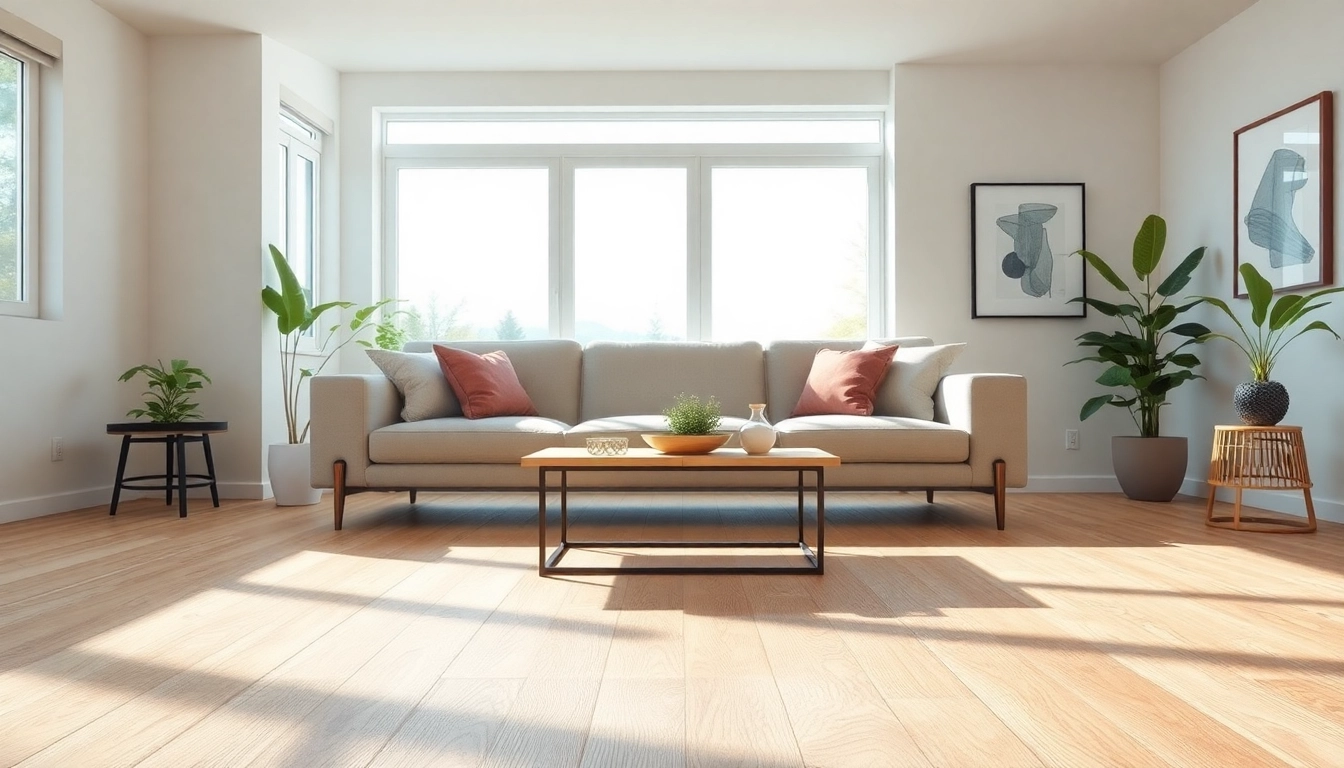
Understanding Vinyl Flooring
What is Vinyl Flooring?
Vinyl flooring has gained significant popularity among homeowners and commercial spaces alike, known for its durability and versatile design options. Essentially, it is a synthetic flooring material made from polyvinyl chloride (PVC) resins. This type of flooring comes in several forms, including sheets, tiles, and planks, allowing it to mimic the appearance of natural materials such as wood and stone without the associated high costs. Its resilience against moisture, making it a practical choice for various environments, is complemented by an extensive range of styles and colors to fit any aesthetic preference.
Benefits of Vinyl Flooring
The vinyl flooring offers numerous advantages that contribute to its rising fame:
- Durability: Built to withstand heavy foot traffic, vinyl flooring is resistant to scratches, dents, and stains. Its protective layers are designed to ensure longevity, making it suitable for bustling family homes and commercial spaces alike.
- Water Resistance: Unlike many traditional flooring materials, vinyl is water-resistant, which makes it a perfect option for rooms prone to spills and moisture such as kitchens and bathrooms.
- Comfort: Vinyl flooring tends to have a softer surface compared to natural stone or hardwood, providing a more comfortable experience underfoot. This characteristic can be highly beneficial in spaces where individuals may stand for long periods.
- Easy Maintenance: Cleaning vinyl flooring is typically simple and straightforward. Regular sweeping and occasional mopping will keep it looking new, without the need for special cleaning agents.
- Affordability: Often more cost-effective than hardwood or tile, vinyl flooring allows homeowners to achieve upscale looks without breaking their bank.
Types of Vinyl Flooring
Understanding the different types of vinyl flooring is crucial in making an informed choice for your space. Here are the primary forms:
- Vinyl Sheets: Rolls of vinyl that come in large sheets, ideal for spaces that require minimal seams. This type is best for larger areas such as living rooms and open-plan spaces.
- Vinyl Tiles: Individual tiles that are easier to install and replace. Vinyl tiles provide flexibility in design since they can be arranged in various patterns.
- Luxury Vinyl Plank (LVP): Designed to resemble hardwood flooring, LVP combines luxury looks with resilience and easy maintenance. This type is especially popular among homeowners looking for the aesthetics of real wood.
Choosing the Right Vinyl Flooring
Flooring Types Explained
When selecting the right vinyl flooring for your needs, it’s essential to understand each type thoroughly. Vinyl sheets are ideal for moisture-heavy environments, while tiles offer customization and easy replacements. LVP provides the warmth of wood without the upkeep, making it an excellent choice for style-conscious individuals.
Factors to Consider When Selecting
As you browse your options, consider the following factors:
- Room Function: Think about how each room will be used. High-traffic areas like hallways may benefit from durable vinyl, while bedrooms may prioritize comfort.
- Style Preference: The design of your vinyl flooring should complement your existing décor. Take samples home to visualize how they fit into your space.
- Budge: Vinyl flooring ranges in price, and understanding your budget can prevent overextending your finances. Always factor in potential installation costs, if necessary.
- Subfloor Condition: Ensure your subfloor is level and clean before installing vinyl flooring to avoid complications down the line.
Matching Vinyl Flooring to Your Style
With an expansive range of options, vinyl flooring can enhance various interior design trends. For a modern look, opt for stone or concrete finishes, while warm wood tones can create a cozy atmosphere. Choose patterns that suit your individual taste; geometric designs may work well for contemporary settings, while traditional aesthetics may call for more classic options.
Installation Process of Vinyl Flooring
Pre-Installation Preparation
Proper preparation facilitates a smooth installation experience. Key steps include:
- Measure Your Space: Accurately measure the area where you will install the flooring to avoid purchasing excess materials.
- Choose the Right Underlayment: Depending on your choice of vinyl flooring, you may need an underlayment for additional cushioning and sound absorption.
- Acclimate Your Vinyl Flooring: Allow the vinyl material to adjust to the room temperature by keeping it in the installation area for at least 48 hours prior to installation.
Step-by-Step Installation Guide
The installation process will vary based on the type of vinyl flooring chosen. Here’s a basic guide for LVP:
- Prepare the Subfloor: Ensure the subfloor is clean, dry, and smooth.
- Lay Underlayment: If required, roll out and secure the underlayment across the entire subfloor.
- Start the Installation: Begin laying planks from one corner and work your way across the room, ensuring to leave necessary expansion gaps.
- Connect Planks: Use the click-lock mechanism or adhesive as specified by the flooring instructions to secure planks together.
- Trimming Edges: Cut the last planks to fit snugly against walls and trim any excess material.
- Final Touches: Install baseboards or molding to finish your flooring project neatly.
Common Mistakes to Avoid
Avoiding errors during installation is vital to ensure durability and aesthetics:
- Skipping acclimation can cause warping or buckling.
- Neglecting underlayment may lead to uneven surfaces or increased sound transmission.
- Failing to leave expansion gaps can restrict the flooring from expanding or contracting with temperature changes.
Maintaining Your Vinyl Flooring
Routine Cleaning Tips
Maintenance keeps your vinyl flooring looking great over time. Regular cleaning involves:
- Daily Sweeping: Remove dirt and debris with a broom or dry mop to prevent scratches.
- Weekly Mopping: Use a damp mop with a cleaner formulated for vinyl flooring to remove stains and maintain luster.
- Avoid Harsh Chemicals: Stay away from bleach and ammonia-based cleaners, which may damage the flooring's protective layer.
Dealing with Scratches and Damage
Minor scratches can be addressed by buffing the area with a soft cloth. For deeper scratches, consider using specialized vinyl repair kits or replacing affected tiles or planks. Always follow manufacturer guidelines for repairs to ensure the material retains its warranty.
Optimal Conditions for Longevity
To extend the life of your vinyl flooring, maintain a consistent temperature in your home and keep humidity levels in check. Avoid excessive sunlight exposure, which can cause fading; consider using window treatments to reduce glare. Shield flooring from heavy furniture and direct scraping by using protective pads beneath furniture legs.
FAQs about Vinyl Flooring
How long does vinyl flooring last?
Vinyl flooring typically lasts between 10 to 20 years depending on quality and maintenance. Using appropriate cleaning methods enhances its lifespan significantly.
Can vinyl flooring be installed over existing floors?
Yes, vinyl flooring can often be installed over existing floors if they are smooth and level, simplifying the renovation process.
Is vinyl flooring waterproof?
Most vinyl flooring is water-resistant or waterproof, making it ideal for bathrooms and kitchens where moisture is a concern.
How to repair damaged vinyl flooring?
Minor damage can be repaired using vinyl floor patches or adhesive, while larger areas may require replacement planks for a seamless fix.
Can I refinish vinyl flooring?
Vinyl flooring typically cannot be refinished like hardwood; however, surface scratches can often be buffed out or concealed with specific products designed for vinyl.