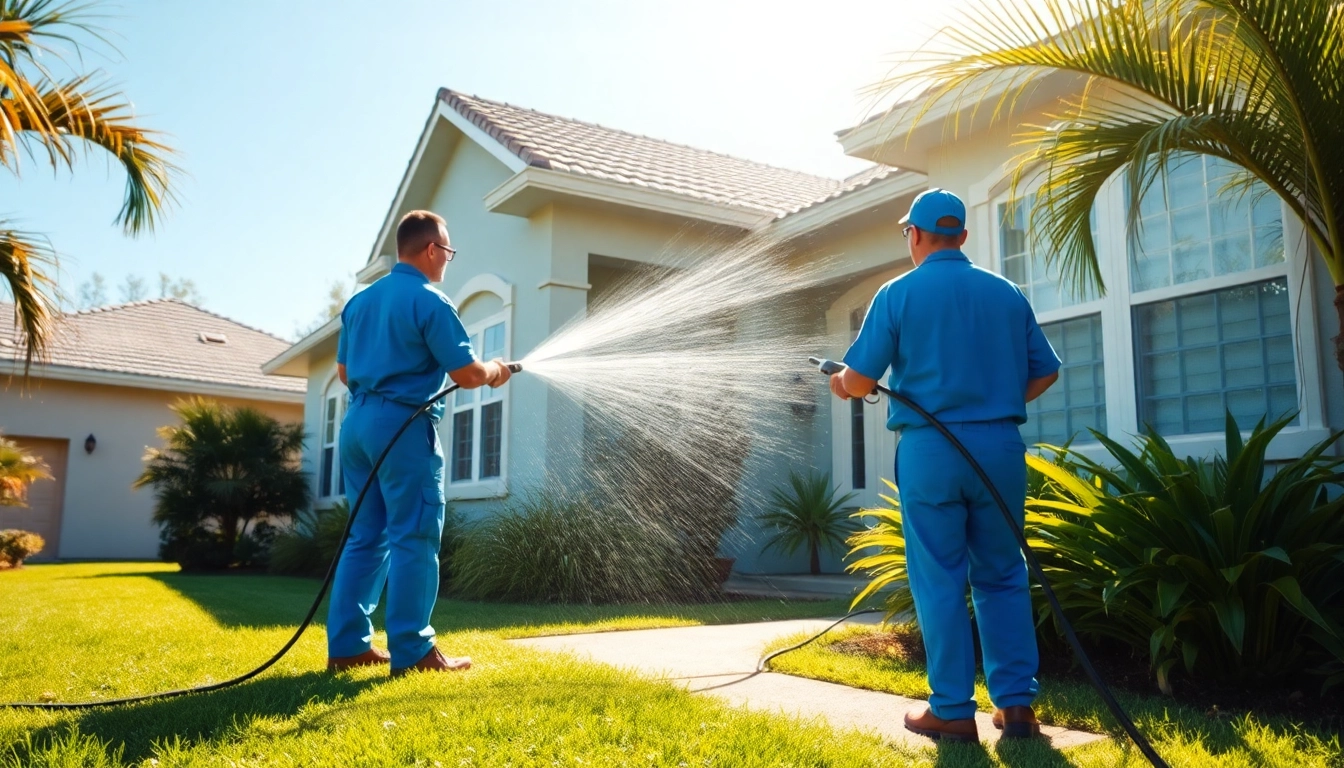
Understanding Soft Washing: A Gentle Approach to Exterior Cleaning
Soft washing is revolutionizing how we maintain the appearances of our homes and businesses, especially in areas like Kissimmee, Florida. As a cleaning method that employs low-pressure water combined with specialized biodegradable cleaning solutions, soft washing effectively removes dirt, algae, mildew, and other contaminants without the damaging effects associated with traditional pressure washing. When exploring options, soft wash techniques provide comprehensive insights into maintaining the integrity of your property while enhancing its aesthetic appeal.
What is Soft Washing?
Soft washing is a technique that utilizes low pressure to clean surfaces thoroughly without the risk of damage that higher-pressure methods can cause. It is particularly beneficial for delicate surfaces such as roofs, wood siding, and painted surfaces. The process typically involves applying a cleaning solution that includes a mix of water and biodegradable detergents designed to break down organic materials like mold and algae. This method not only cleans effectively but also protects surfaces after the cleaning process.
Benefits of Soft Wash Compared to Traditional Pressure Washing
- Reduced Risk of Damage: Traditional pressure washing can harm surfaces, especially softer materials. Soft washing mitigates this risk by using lower pressure.
- Environmentally Friendly: The biodegradable cleaners used in soft washing are safer for the environment compared to harsh chemicals often found in higher-pressure cleaning methods.
- Long-Lasting Results: Soft washing not only cleans the surface but also impacts the roots of algae and mold, delaying their return significantly longer than traditional methods.
- Improved Aesthetic Appeal: Soft washing enhances the curb appeal of homes and businesses, making them more attractive to visitors and potential buyers.
How Soft Washing Works: Key Techniques and Equipment
The soft washing process usually begins with a thorough assessment of the surfaces to be cleaned. After determining the right cleaning solution, technicians use a specialized low-pressure washer and application equipment designed for soft washing. This ensures even application and optimal cleaning results without causing damage. The cleaning solution typically consists of:
- Water
- Biodegradable detergents
- Occasionally, a small amount of bleach to eradicate tough mold and algae
Once applied, the solution is left to dwell for a specified time, allowing it to penetrate and dissolve stains and biological growth. Afterward, the area is rinsed with low-pressure water, leaving behind a clean and well-protected surface.
Soft Washing Best Practices for Homeowners
Preparing Your Home for a Soft Wash
Preparation is key for effective soft washing. Homeowners should clear the area of objects, plants, and furniture to ensure that nothing obstructs the cleaning process. Additionally, it is advisable to cover any electrical outlets or fixtures to protect them from the cleaning solution. This preparation sets the stage for a successful clean without any unforeseen complications.
Choosing the Right Soft Wash Service in Kissimmee
When selecting a soft wash service, consider the following factors:
- Experience and Reputation: Check reviews and testimonials to gauge the company’s credibility and past performance.
- Insurance and Licensing: Ensure that the company is fully insured and licensed to operate in your area, protecting you from potential liabilities.
- Eco-Friendly Practices: Look for services that prioritize the use of environmentally safe cleaning solutions.
- Guarantees: Opt for companies that offer satisfaction guarantees on their services.
Common Mistakes to Avoid When Soft Washing Your Property
Here are some common pitfalls homeowners should avoid during the soft washing process:
- Neglecting Preparation: Failing to prepare the area can result in damage or inadequate cleaning.
- Using High Pressure: Avoid attempts to use high pressure even with soft washing equipment, as it defeats the purpose of the method.
- Ignoring Manufacturer Instructions: Each cleaning solution has specific guidelines that should be followed for maximum effectiveness.
The Importance of Eco-Friendly Cleaning Solutions
What Makes Soft Washing Environmentally Safe?
Soft washing is an environmentally conscious method of cleaning as it uses biodegradable and non-toxic solutions that break down naturally in the environment. Unlike traditional cleaning methods that often rely on harmful chemicals, soft washing minimizes the release of pollutants into the water supply and surrounding ecosystems.
Biodegradable Solutions: Ingredients and Benefits
Biodegradable cleaning solutions typically incorporate organic compounds that effectively remove stains while being safe for plants and animals. These solutions are designed to be efficient on tough stains while ensuring that they do not pose a risk to the environment. Common ingredients include:
- Plant-derived surfactants
- Citrus-based degreasers
- Hydrogen peroxide
The benefits of using biodegradable cleaning agents in soft washing include improved safety for pets and children, as well as reduced impact on local flora and fauna.
Understanding the Impact of Pressure Washing on the Environment
While effective, traditional pressure washing can often lead to environmental concerns if not done properly. High-pressure washing can lead to runoff that may carry harmful chemicals into the sewer system, affecting water quality. By opting for soft washing, property owners can take a step towards more sustainable cleaning practices.
Commercial Soft Washing: Enhancing Business Appeal
Soft Wash Solutions for Commercial Properties
For businesses in Kissimmee and the greater Orlando area, maintaining a clean exterior is crucial for attracting customers. Soft washing offers a safe and effective solution for commercial properties, from storefronts to office buildings, ensuring that the façade remains inviting and professional.
Attracting Customers with a Clean Storefront
First impressions matter. A clean storefront can significantly impact a customer’s decision to enter a business. Soft washing effectively removes built-up grime, allowing businesses to present a fresh, welcoming appearance. This can lead to increased foot traffic and higher sales overall.
Regular Maintenance: How Often Should Businesses Schedule Soft Washing?
The frequency of soft washing for commercial properties depends on various factors, including location, environmental conditions, and the type of business. However, a general guideline is to schedule soft washing at least twice a year to maintain optimal appearance and hygiene. Regular cleaning not only enhances aesthetics but also prolongs the life of the building materials.
Future Trends in Soft Washing for 2025 and Beyond
Technological Advancements in Soft Wash Equipment
As the demand for eco-friendly cleaning solutions increases, the future of soft washing will likely see significant advancements in technology. Innovative equipment designed for efficiency and effectiveness may emerge, integrating features such as:
- Automated cleaning systems
- Smart technology for monitoring and adjusting cleaning solutions
- Enhanced safety features for increased user protection
Consumer Demand for Eco-Friendly Cleaning Services
With a growing awareness of environmental issues, consumers are increasingly seeking out businesses that prioritize sustainability. Companies offering eco-friendly soft washing services are likely to gain a competitive edge as they align with consumer values and preferences.
Predictions: The Evolution of Soft Washing Techniques
The evolution of soft washing techniques will likely focus on improving cleaning efficiency while minimizing environmental impact. As new biodegradable agents are developed, along with better application methods, the effectiveness of soft washing is expected to skyrocket, making it the preferred choice for both residential and commercial cleaning needs.