Understanding Shower Screen Door Types
When it comes to enhancing your bathroom's functionality and aesthetics, selecting the right shower screen door is crucial. With numerous designs available, understanding the different types will help you make an informed decision. This section will delve into the prevalent varieties of shower screen doors, exploring their unique features, advantages, and ideal applications.
Frameless vs. Framed Shower Screen Door
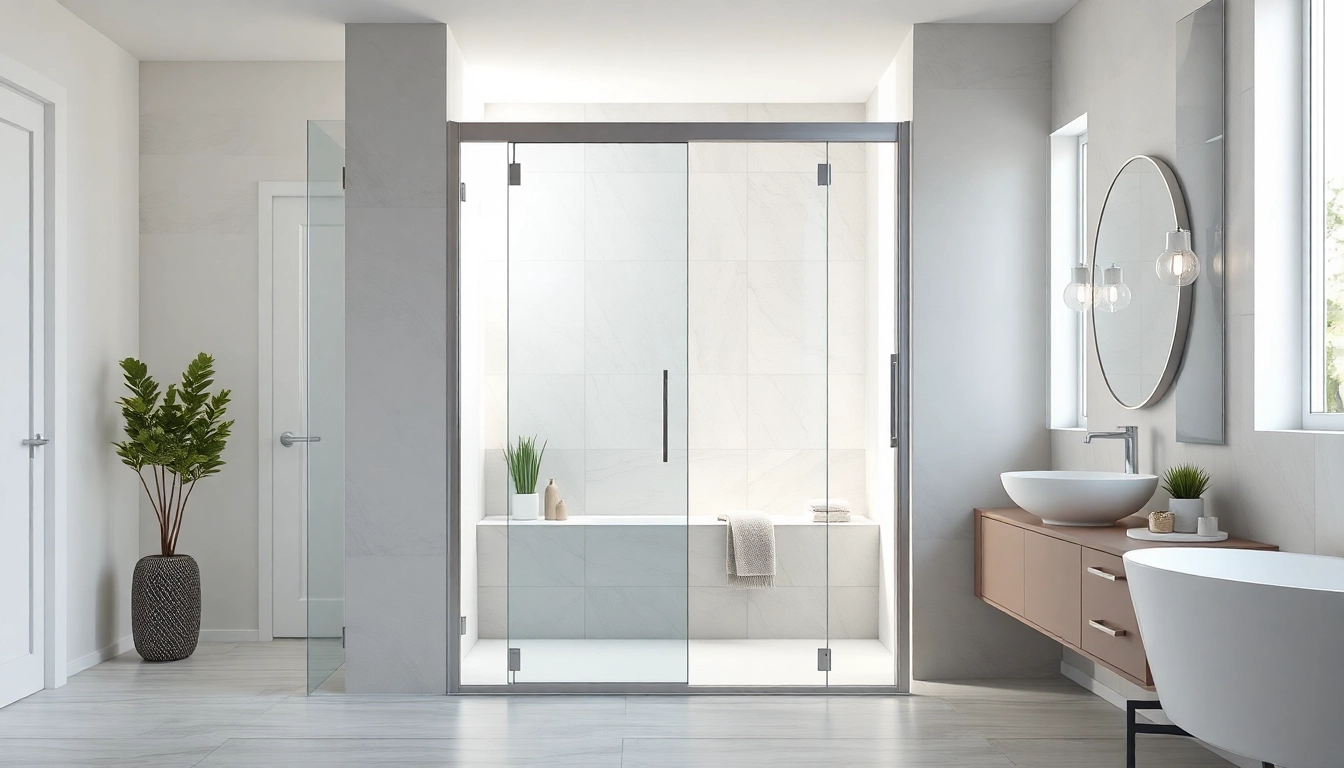
Shower screen doors can be classified into frameless and framed varieties. Frameless shower doors are constructed using thick tempered glass, providing a clean and modern aesthetic. They are highly popular in contemporary bathrooms, making spaces appear larger due to their transparent nature. With minimal metal components, these doors create a seamless look, promoting an open feel in your bathroom.
In contrast, framed shower doors possess metal frameworks around the glass panels. This design can enhance durability and provide additional support, making them easier to install in certain configurations. Framed doors often come in a variety of styles and colors, allowing for greater customization. However, they may not deliver the same level of elegance as their frameless counterparts.
Sliding vs. Hinged Shower Screen Door
Shower screen doors can also be categorized by their opening mechanisms: sliding and hinged. Sliding shower doors glide open along a track, which can be beneficial for smaller bathrooms where space is a premium. They effectively utilize the available space, as they do not require clearances for swinging open. Sliding doors are often favored for their ease of use and modern appearance.
On the other hand, hinged shower doors swing outward or inward, similar to a traditional door. This type can provide a grand entrance to your shower experience and is typically easier to clean due to its design. However, it requires extra room to fully open, which may not be ideal for compact bathroom layouts.
Materials Used for Shower Screen Door
The materials used in shower screen doors impact not only their appearance but also their durability and maintenance. Glass is the most common material, with options typically ranging from clear and frosted glass to patterned varieties. Tempered glass is often preferred for its strength and safety characteristics, as it shatters into small, blunt pieces rather than sharp shards.
Metal components, including aluminum or stainless steel, are commonly used for framed doors to enhance stability and support. They often come with various finishes that can harmonize with other bathroom fixtures. Additionally, certain models integrate polymer or vinyl seals for improved water resistance to keep your bathroom dry and prevent mold growth.
Benefits of Installing a Shower Screen Door
The addition of a shower screen door provides multiple advantages, beyond mere aesthetics. Here, we will discuss how installing a shower screen door can enhance your bathroom experience and serve practical purposes in your home.
Maximizing Bathroom Space with Shower Screen Door
Shower screen doors can significantly optimize the overall layout of your bathroom. By effectively sealing off the shower area, they prevent water from splashing onto the floors, which can make your bathroom appear smaller and more cramped. With the right type, such as sliding doors, you can enhance movement and accessibility, allowing for a more fluid use of space.
Improving Aesthetics with Shower Screen Door
One of the most immediate benefits of installing a shower screen door is the enhancement of your bathroom's visual appeal. Whether you lean towards a frameless glass design for a sleek, modern look or a framed version for a classic touch, your choice of shower screen door can serve as a focal point that elevates the existing decor of your bathroom.
Enhancing Functionality with Shower Screen Door
In addition to aesthetics, shower screen doors offer practical benefits. They facilitate better temperature regulation within the shower space and help maintain privacy. These doors also contribute to a more hygienic environment by minimizing moisture in the rest of the bathroom, thereby reducing potential mold growth and making your space easier to clean and maintain.
Factors to Consider Before Purchase
Before making a decision regarding the purchase of a shower screen door, several critical factors should be evaluated to ensure that your investment aligns with your needs and preferences.
Size and Fit for Your Shower Screen Door
Measuring the available space accurately is essential when selecting a shower screen door. Consider both the height and width of the shower opening as well as the surrounding elements that may affect installation. Proper sizing will ensure that the door fits seamlessly and functions as intended, preventing leaks and operational issues.
Style Compatibility in Your Bathroom with Shower Screen Door
Your bathroom’s overall design theme should influence your choice of shower screen door. Consider the hardware, tile designs, and other bathroom fixtures to ensure a cohesive look. Variations in glass textures, frame finishes, and styles should harmonize with these elements, creating a unified aesthetic that enhances your bathroom’s ambiance.
Budgeting for Your Shower Screen Door Project
It is crucial to establish a budget before embarking on your shower screen door project. Prices can vary widely based on materials, design intricacies, and brand. While mid-range selections may deliver an attractive balance of quality and cost, always ensure that you factor in installation expenses, additional hardware, and potential maintenance needs into your overall budget.
Installation Guidelines for Shower Screen Door
Once you have chosen the right shower screen door, the next step is ensuring proper installation. This section will guide you through preparing your space, tools needed, and common installation pitfalls to avoid, ensuring that you achieve the desired results.
Preparing Your Space for Shower Screen Door
Proper preparation is key for a successful installation of your shower screen door. Start by removing any existing fixtures or doors and performing a thorough cleaning of the installation area. Ensure that all surfaces are dry and free from debris, as this will affect the adhesion of seals and operational performance. Additionally, make sure that the wall and floor are level, as uneven surfaces can lead to alignment issues down the road.
Tools Needed for Installing Shower Screen Door
Before you begin the installation process, gather the necessary tools, which may include a drill, screwdriver, measuring tape, level, cutting knife, and a caulking gun for applying sealant. Having these tools on hand will streamline the installation and prevent unnecessary delays as you work through the project.
Common Installation Mistakes to Avoid with Shower Screen Door
Many DIY projects face challenges during installation, and a shower screen door is no exception. Common mistakes include improper measurements leading to ill-fitting doors, neglecting to check for level surfaces, and poor sealing that can result in leaks. Always double-check your measurements and consider following manufacturer instructions to avoid shortcuts that could compromise the installation quality.
Maintenance Tips for Lasting Quality
To ensure the longevity and aesthetic appeal of your shower screen door, essential maintenance practices should be adopted. This section outlines practical tips for keeping your shower screen door in optimal condition.
Cleaning Your Shower Screen Door Effectively
Regular cleaning is vital to prevent soap scum and hard water stains from building up on your shower screen door. Utilize a soft cloth or sponge along with a mild detergent or vinegar solution to scrub the surface gently. Avoid abrasive cleaners that could scratch the glass or metal components, preserving the finish and clarity of the door.
Preventing Damage to Shower Screen Door
Preventative care is essential for extending the lifespan of your shower screen door. Install protective seals where applicable and routinely inspect these areas for wear or damage. Avoid using excessive force when opening and closing the door to minimize stress on the hinges or tracks, especially for sliding varieties.
When to Replace Your Shower Screen Door
Despite regular maintenance, your shower screen door may eventually require replacement. Signs that it’s time to replace include persistent leaks, irreparable damage such as cracks or chips, and difficulty in operation. Being proactive about these issues can save you hassle and prevent further water damage in your bathroom.
FAQs
What is the best type of shower screen door for small bathrooms?
Sliding shower screen doors are ideal for small bathrooms as they do not require additional clearance for opening, maximizing space efficiency.
How do I measure for a shower screen door?
Measure the height and width of your shower entry. Ensure you take multiple measurements at various points to accommodate any irregularities.
Can I install a shower screen door myself?
Yes, if you have the right tools and follow manufacturer guidelines, you can install a shower screen door yourself. However, professional installation can ensure optimal results.
How often should I clean my shower screen door?
It’s advisable to clean your shower screen door weekly to prevent soap scum buildup and stains, ensuring its clarity and overall appearance.
What materials should I look for in a shower screen door?
Look for tempered glass for safety and durability, along with quality metal fittings that can resist corrosion and wear over time for optimal performance.