Understanding Rail Systems: An Overview of Key Components
What is a Rail Systems Company?
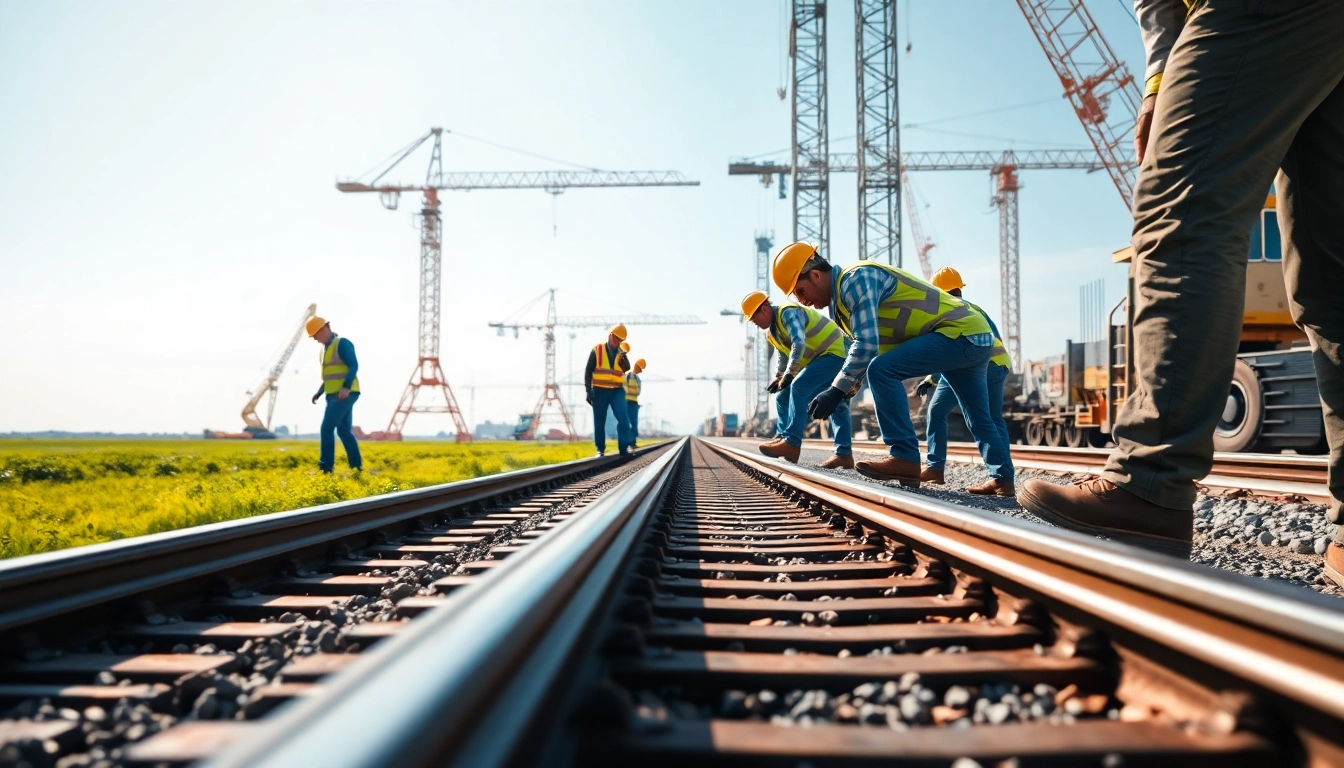
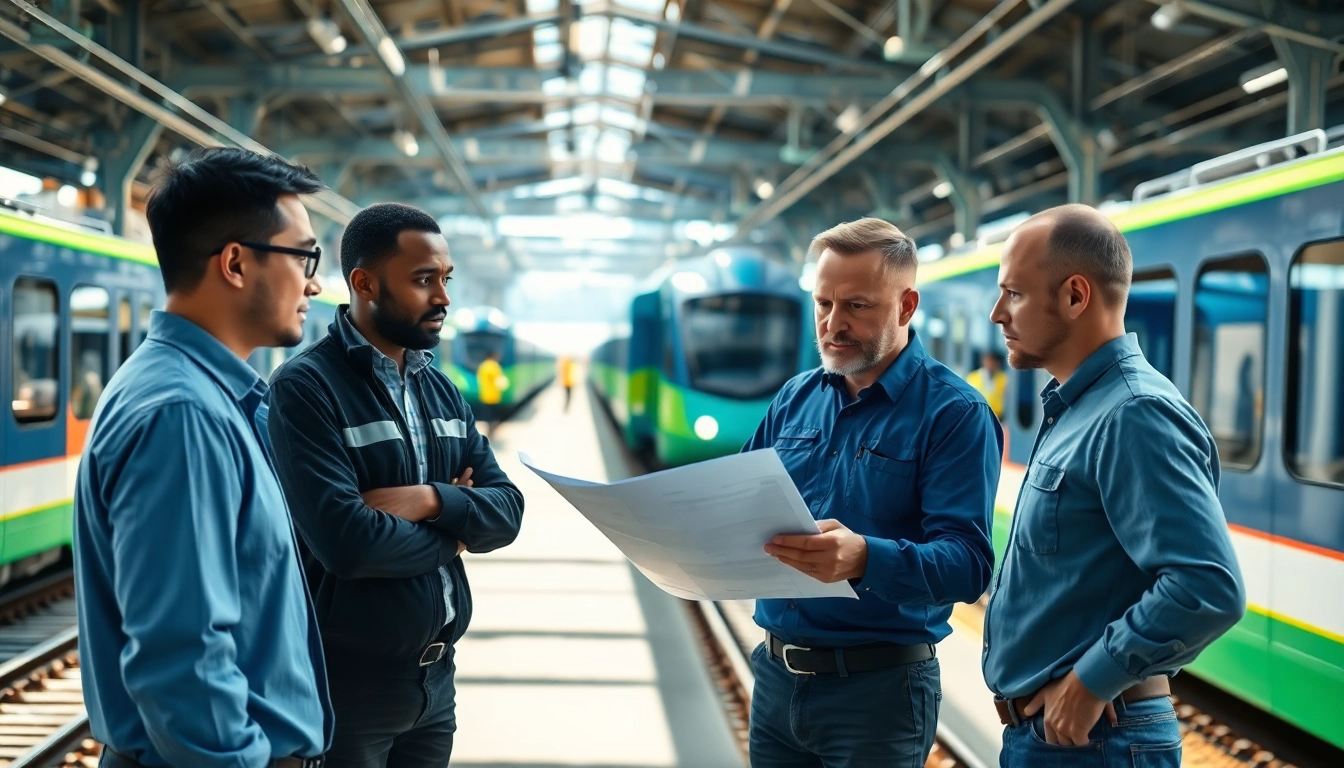
A rail systems company is an entity that focuses on the development, design, construction, and maintenance of rail transportation systems. These companies play a crucial role in enhancing connectivity, facilitating trade, and promoting sustainable transportation solutions. Operating across different segments such as passenger, freight, and urban rail systems, these companies ensure the integrity of railway infrastructure, vehicle technology, and safety protocols, thus contributing to the seamless operation of rail systems worldwide.
Types of Rail Systems and Their Applications
Rail systems can be categorized into several types, each addressing distinct transportation needs:
- Heavy Rail: Commonly used for long-distance travel and freight transport, having a robust infrastructure suitable for high-capacity operations.
- Light Rail: Ideal for urban environments, providing public transport solutions with lower capacity needs and often integrated with other forms of transit.
- High-Speed Rail: Designed for rapid intercity travel, these systems can reach speeds exceeding 300 km/h, significantly reducing travel times.
- Freight Rail: Operates on dedicated tracks, focusing on transporting goods over long distances efficiently, often utilized for heavy or bulk materials.
- Urban Transit Systems: Includes subways and trams, designed to alleviate congestion and support city mobility through efficient public transport.
Importance of Safety in Rail Systems Design
Safety is the cornerstone of any rail systems company’s operations. Safety considerations must be integrated into every phase—from design and construction to operation and maintenance. This includes adhering to stringent regulations, implementing advanced signaling and communication systems, and regularly training personnel on safety protocols. Innovative safety technologies such as Positive Train Control (PTC) systems help to prevent collisions and other incidents, ensuring the safety of passengers and freight alike.
Innovations in Rail Technology: Future Trends
Embracing Electrification in Rail Systems
Electrification represents a significant shift in improving the efficiency and environmental impact of rail systems. Many countries are transitioning from diesel to electric trains, which produce fewer emissions and reduce noise pollution. Modern electric trains are more energy-efficient, allowing for faster travel times and lower operational costs. Additionally, advancements in battery technology are paving the way for hybrid systems, facilitating rail operations even in areas where electrification infrastructure is not yet available.
The Role of Automation in Rail Transport
Automation is revolutionizing the rail industry. Technologies such as automated train operations (ATO) and predictive maintenance utilize data analytics and artificial intelligence to optimize performance and reduce human error. ATO systems can manage train speed, track switching, and station stops, enhancing operational efficiency. Predictive maintenance helps identify potential issues before they escalate, ensuring trains run reliably and reducing downtime.
Sustainability Practices in Rail Systems Company Operations
Rail systems companies are increasingly adopting sustainable practices to minimize their environmental footprint. This includes optimizing energy consumption, incorporating renewable energy sources, and implementing waste reduction strategies. Additionally, the use of recycled materials in construction and maintenance ensures a more sustainable lifecycle for rail infrastructure. By focusing on sustainability, these companies can enhance their reputations while contributing to global efforts to combat climate change.
Challenges Faced by Rail Systems Companies Today
Infrastructure Maintenance and Upgrades
One of the primary challenges facing rail systems companies is the maintenance and upgrading of aging infrastructure. Railway systems often date back several decades, requiring significant investments to modernize tracks, signals, and trains. Implementing effective asset management strategies and prioritizing upgrades based on usage and risk assessment can help mitigate these challenges and ensure safe and reliable operations.
Competition and Market Dynamics
As the logistics and transportation sectors evolve, rail systems companies face increased competition from other modes of transport, such as road and air. To remain competitive, they must explore new markets, develop innovative services, and leverage technology to enhance operational efficiency. Strategic partnerships with logistics providers and integrating intermodal transport solutions can help rail companies maintain their relevance in a rapidly changing market.
Regulatory Compliance and Environmental Concerns
Rail systems operate under strict regulatory frameworks, requiring compliance with safety, environmental, and operational guidelines. Navigating these regulations can be challenging, especially as governments seek to enforce stricter measures in response to climate change. Rail systems companies must ensure they have robust compliance systems in place and engage with regulatory bodies proactively to influence and adapt to new regulations.
Key Best Practices for Effective Rail Operations
Implementing Robust Safety Protocols
Prioritizing safety through the implementation of robust safety protocols is essential for rail companies. This includes regular safety audits, employee training programs, and constant monitoring of operations to ensure compliance with safety regulations. Creating a culture of safety where all employees feel responsible for safety can significantly reduce risks and enhance overall operational efficiency.
Leveraging Data Analysis for Operational Efficiency
Data analytics plays a pivotal role in improving operational efficiency. By analyzing performance metrics, rail systems can identify areas for improvement, optimize scheduling, and enhance resource allocation. Implementing real-time data collection and monitoring systems provides valuable insights that can drive smarter decision-making and reduce operational costs.
Investment in Staff Training and Development
Investing in employee training and development is crucial for maintaining a skilled workforce that can adapt to evolving technologies and methodologies. Ongoing training programs foster a culture of continuous improvement and help employees stay informed about the latest industry trends and safety practices, ultimately leading to enhanced performance and customer satisfaction.
Case Studies and Success Stories from the Rail Systems Company
Innovative Solutions in Urban Rail Systems
Urban rail systems have seen remarkable innovations in recent years. Investments in modern light rail and subway systems have contributed to significant reductions in traffic congestion while promoting public transportation use. By integrating technology such as digital ticketing and smart transit services, rail systems have enhanced passenger experience and increased ridership, showcasing effective solutions to urban challenges.
Enhancing Passenger Experience Through Technology
Rail systems companies are innovating to enhance passenger experience by leveraging technology. Initiatives such as onboard Wi-Fi, mobile applications for real-time updates, and advanced ticketing systems streamline travel and make it more user-friendly. Companies that focus on the customer journey create loyal patrons who are more likely to recommend rail travel to others, improving overall market positioning.
Successful Collaborations with Local Governments
Collaborations between rail systems companies and local governments have proven advantageous for developing infrastructure projects. Joint ventures facilitate funding and resource sharing, resulting in well-planned rail expansions that meet community needs. These partnerships also help rail companies align services with local development goals, maximizing the benefits of rail systems for communities.
FAQs
What is a rail systems company?
A rail systems company specializes in designing, building, and maintaining transportation systems, particularly railways.
How do rail systems contribute to sustainability?
Rail systems are more energy-efficient than road transport, reducing carbon footprints and promoting sustainable transport solutions.
What are the latest trends in rail technology?
Recent trends include automation, electrification, and innovative safety protocols to enhance efficiency and reduce environmental impact.
Why is safety crucial in rail systems?
Safety is paramount to protect passengers and ensure reliable operations, making compliance with safety regulations essential for rail systems.
What challenges do rail systems companies face?
Challenges include infrastructure maintenance, competition, regulatory compliance, and addressing environmental concerns.