
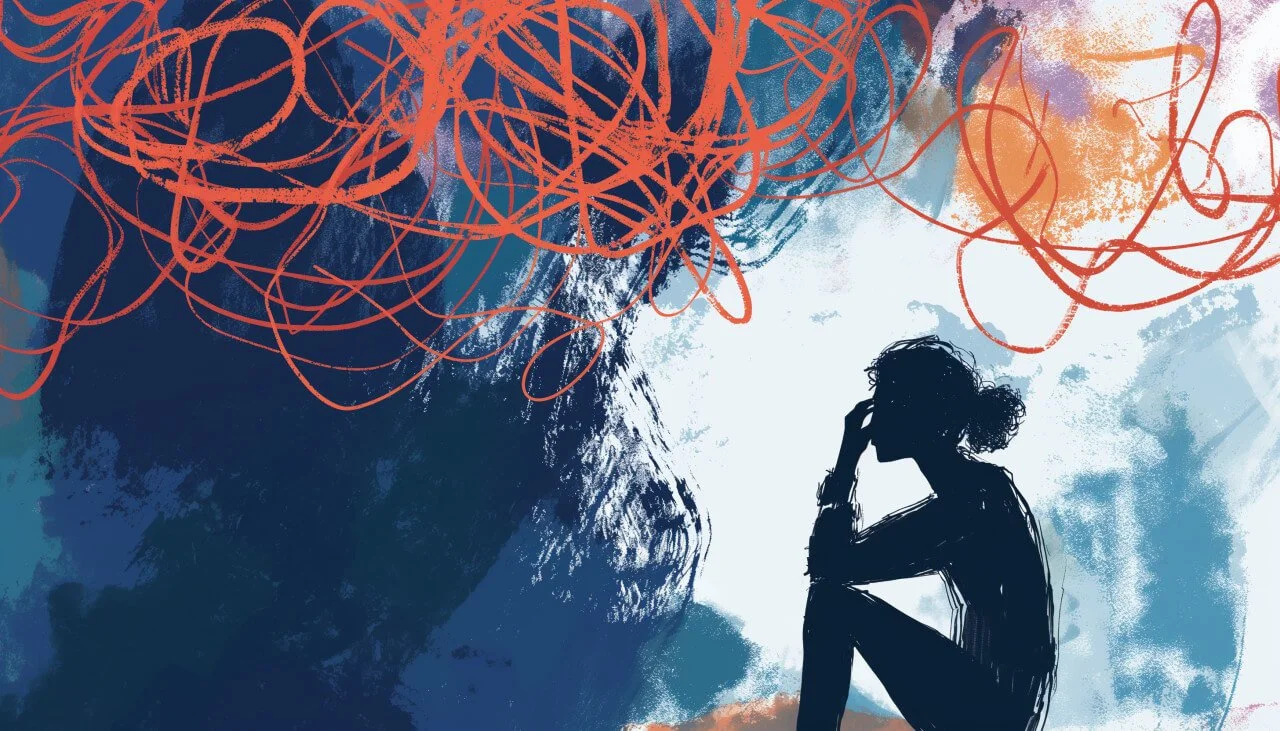
Anxiety is a natural response to stress, danger, or uncertainty. Everyone experiences it from time to time, but persistent anxiety can affect daily life, emotional well-being, and physical health. Recognizing Anxiety symptoms early is the first step toward managing them effectively. This beginners guide will help you understand anxiety symptoms, identify early warning signs, and take practical steps for emotional health.
What Are Anxiety Symptoms?
Anxiety symptoms are physical, emotional, and behavioral signs that indicate your body and mind are under stress. These symptoms can vary in intensity, duration, and frequency. Experiencing them occasionally is normal, but when they become persistent or interfere with your life, they may require attention.
Common Emotional Anxiety Symptoms
Emotional symptoms are often the first noticeable signs of anxiety. These include:
- Persistent worry or fear about everyday situations
- Feeling tense, restless, or on edge
- Difficulty concentrating or making decisions
- Irritability or impatience
- Feeling overwhelmed even by small tasks
Example: A student might constantly worry about an upcoming test, feeling nervous even weeks before the exam. This worry can make it difficult to focus on studying or complete assignments on time.
Physical Anxiety Symptoms
Anxiety does not only affect the mind; it also triggers physical reactions due to the body’s stress response. Common physical anxiety symptoms include:
- Increased heart rate or palpitations
- Shortness of breath or rapid breathing
- Muscle tension or aches
- Headaches or migraines
- Sweating, trembling, or shaking
- Stomach discomfort, nausea, or digestive issues
- Fatigue or difficulty sleeping
Analogy: Think of your body as an alarm system. Anxiety acts like a false alarm, signaling danger even when there is none. This triggers a chain reaction of physical symptoms designed to prepare your body for “fight or flight.”
Behavioral Symptoms of Anxiety
Behavioral changes often occur as a reaction to emotional and physical symptoms. Common behavioral anxiety symptoms include:
- Avoiding situations that trigger anxiety
- Procrastination or indecisiveness
- Excessive reassurance-seeking from others
- Nail-biting, fidgeting, or pacing
- Changes in eating habits, such as overeating or loss of appetite
Case Study: Sarah, a young professional, started avoiding social events because she feared judgment from colleagues. Over time, her avoidance led to feelings of isolation and heightened anxiety.
Early Warning Signs of Anxiety
Recognizing early warning signs is crucial for managing anxiety before it escalates. Some subtle signs that may appear include:
- Frequent negative thoughts or self-criticism
- Feeling restless without a clear reason
- Difficulty falling asleep or staying asleep
- Feeling irritable or impatient more than usual
- Unexplained physical symptoms like headaches or stomach pain
Real-Life Example: John noticed he was constantly checking his emails at night, feeling anxious about missing work-related messages. This pattern of behavior was an early warning sign of anxiety affecting his daily life.
Types of Anxiety Disorders
Anxiety symptoms can manifest in different ways depending on the type of anxiety disorder. Common types include:
- Generalized Anxiety Disorder (GAD): Persistent, excessive worry about daily life events or activities
- Social Anxiety Disorder: Intense fear of social situations and being judged by others
- Panic Disorder: Sudden, repeated panic attacks accompanied by physical symptoms
- Specific Phobias: Strong fear of specific objects or situations, such as heights, spiders, or flying
Understanding these types helps identify patterns in anxiety symptoms and allows for targeted management strategies.

Causes of Anxiety Symptoms
Anxiety symptoms often result from a combination of factors, including:
- Genetics: Family history of anxiety can increase susceptibility
- Brain Chemistry: Imbalances in neurotransmitters like serotonin and dopamine
- Environmental Stressors: Work pressure, school demands, or financial issues
- Trauma or Life Events: Abuse, loss of a loved one, or significant life changes
- Lifestyle Factors: Poor sleep, lack of exercise, unhealthy diet, or excessive caffeine
Example: A teenager facing academic pressure and family conflict may experience anxiety symptoms due to combined environmental and emotional stressors.
How Anxiety Symptoms Affect Daily Life
Unchecked anxiety can impact multiple areas of life:
- Sleep: Trouble falling or staying asleep, nightmares, and restless nights
- Focus: Difficulty concentrating on tasks, forgetfulness, and impaired decision-making
- Relationships: Avoidance of social interactions, irritability, or misunderstandings
- Work or School Performance: Procrastination, decreased productivity, or missed deadlines
- Physical Health: Chronic headaches, gastrointestinal problems, and weakened immunity
Analogy: Anxiety acts like a fog that clouds judgment, energy, and motivation, making daily activities more challenging.
Practical Ways to Manage Anxiety Symptoms
Managing anxiety symptoms effectively involves a combination of self-care, lifestyle changes, and professional support.
Self-Care Strategies
- Mindfulness and Meditation: Practice deep breathing, guided meditation, or yoga to calm the mind
- Regular Exercise: Physical activity releases endorphins, reducing stress and anxiety
- Adequate Sleep: Maintain a consistent sleep schedule and create a relaxing bedtime routine
- Balanced Diet: Limit caffeine, sugar, and processed foods, while consuming nutrient-rich meals
- Limit Screen Time: Reduce exposure to stressful news or social media
Cognitive and Behavioral Techniques
- Cognitive Behavioral Therapy (CBT): Identifies negative thought patterns and replaces them with positive coping strategies
- Journaling: Writing about worries helps process emotions and reduce mental clutter
- Exposure Therapy: Gradually facing feared situations to reduce avoidance behaviors
Professional Support
- Therapists or Counselors: Licensed professionals provide evidence-based techniques to manage anxiety
- Support Groups: Sharing experiences with others fosters understanding and reduces isolation
- Medical Treatment: In some cases, doctors may recommend medication to stabilize anxiety symptoms
Real-Life Example: Emma, a college student, combined mindfulness practices with weekly therapy sessions. Over time, her anxiety symptoms decreased, and she regained focus in her studies and social life.
When to Seek Help
It is important to seek help if anxiety symptoms:
- Persist for weeks or months without improvement
- Interfere with work, school, or relationships
- Lead to panic attacks or severe physical symptoms
- Cause self-harm thoughts or behaviors
Early intervention improves outcomes and prevents anxiety from worsening.
Building a Supportive Environment
Creating a supportive environment can reduce anxiety triggers:
- Open communication with friends and family
- Practicing empathy and patience with oneself and others
- Encouraging healthy habits and routines
- Reducing unnecessary stressors at home or work
Example: A workplace that offers flexible schedules, mental health resources, and supportive management can help employees manage anxiety symptoms effectively.
Preventive Strategies
Preventing severe anxiety involves consistent self-care and awareness:
- Maintain regular exercise and balanced diet
- Practice stress-reduction techniques daily
- Set realistic goals and prioritize tasks
- Limit exposure to negative influences
- Seek early support for minor anxiety symptoms
Analogy: Preventive care for anxiety is like regular maintenance for a car. Small, consistent efforts prevent major breakdowns.
Conclusion
Anxiety symptoms are common, but recognizing them early is crucial for emotional and physical well-being. By understanding emotional, physical, and behavioral signs, you can take proactive steps to manage anxiety effectively. Self-care, lifestyle adjustments, professional support, and preventive strategies help reduce the impact of anxiety on daily life. Calm Minds Hub encourages awareness, kindness, and practical application of knowledge to help individuals navigate anxiety with confidence and compassion. Taking the first step to recognize early warning signs empowers you to regain control over your mental health and improve overall quality of life. Our homepage brings all our top categories together for you.
FAQs
What are the earliest anxiety symptoms?
The earliest anxiety symptoms often include persistent worry, restlessness, irritability, difficulty concentrating, and physical signs like headaches or stomach discomfort. Recognizing these signs early helps in managing anxiety before it escalates.
How can I manage anxiety symptoms at home?
Anxiety symptoms can be managed at home with mindfulness exercises, regular physical activity, proper sleep, balanced diet, journaling, and limiting stressors. Combining self-care with professional support improves outcomes.
When should I seek professional help for anxiety?
Seek professional help if anxiety symptoms persist, interfere with daily life, cause panic attacks, or lead to thoughts of self-harm. Early intervention through therapy or medical support ensures effective management and long-term relief.