
Your Guide to Finding the Right New York City General Contractor for Your Project
Understanding the Role of a New York City General Contractor
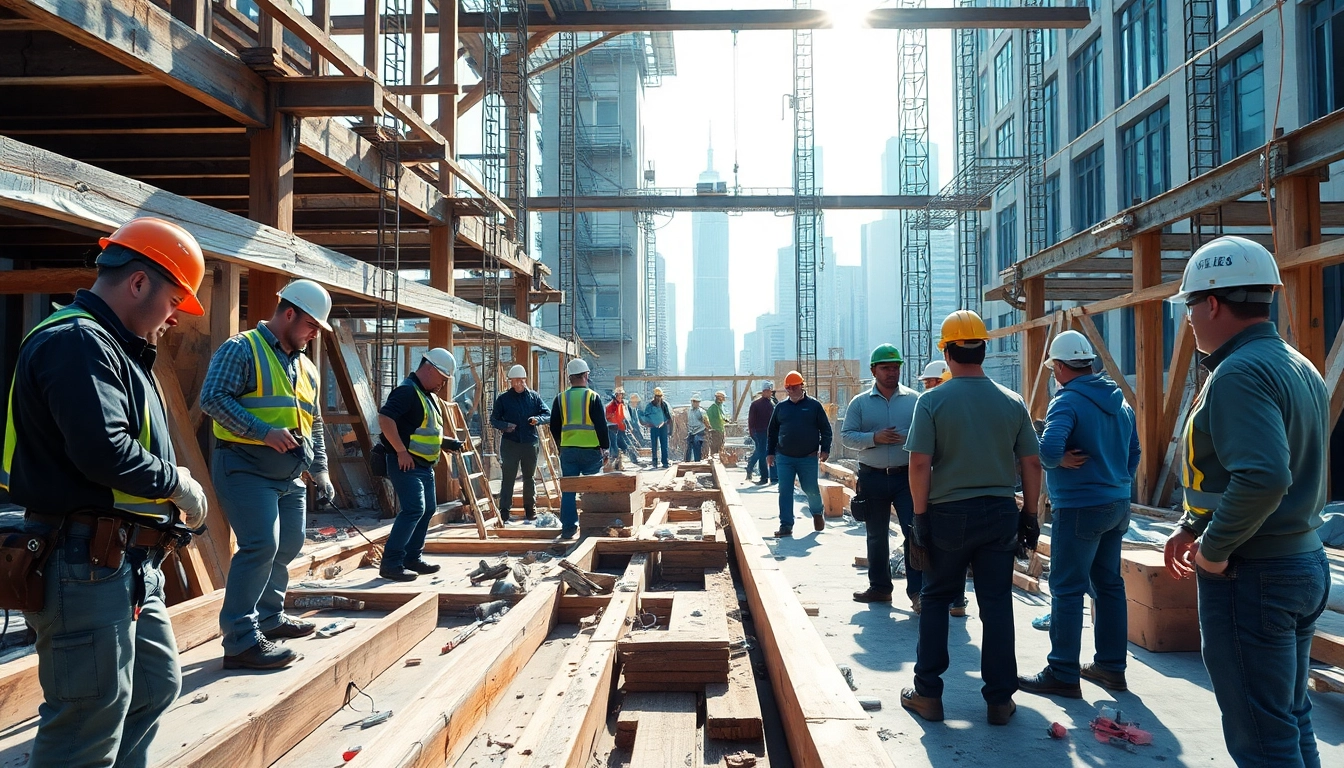
In the bustling urban landscape of New York City, the role of a general contractor is both vital and multifaceted. A New York City General Contractor manages construction projects from inception to completion. They are the backbone of any construction or renovation project, ensuring that everything runs smoothly and according to plan.
Key Responsibilities of a General Contractor
A general contractor’s responsibilities encompass several crucial tasks:
- Project Management: Overseeing all aspects of construction, from planning and scheduling to execution and final inspection.
- Budget Management: Crafting project budgets, securing necessary financial resources, and ensuring adherence to the set financial limits.
- Permit Acquisition: Navigating through the complex web of regulations to secure the necessary permits for construction.
- Hiring and Coordinating Subcontractors: Engaging specialized subcontractors, such as electricians and plumbers, and ensuring effective communication and coordination among all teams.
- Quality Control: Implementing quality assurance practices to ensure the completed work meets industry standards and client expectations.
- Safety Management: Establishing and enforcing safety protocols to protect workers and comply with local regulations.
Licensing and Certifications Required
To operate as a general contractor in New York City, one must obtain specific licenses and certifications. These typically include:
- General Contractor Registration: This registration is mandatory and requires a comprehensive understanding of building codes and regulations.
- Specialized Licenses: Depending on the scope of work, additional licenses may be needed for plumbing, electrical work, or other specialized services.
- Insurance and Bonding: Contractors must carry liability insurance and may also need to be bonded to protect against unforeseen issues.
Importance of Hiring Licensed Professionals
Hiring a licensed general contractor is critical for several reasons:
- Legal Compliance: Ensures that the project adheres to all local and state regulations, minimizing the risk of fines and legal issues.
- Quality Assurance: Licensed contractors have undergone the necessary training and education, guaranteeing a higher quality of work.
- Responsibility: Licensed professionals are held accountable for their work, providing clients with peace of mind. They are also easier to pursue legally in case of disputes.
How to Choose the Best New York City General Contractor
Choosing the right general contractor can be pivotal to the success of your project. Here are essential considerations when making this decision.
Evaluating Experience and Expertise
When assessing potential contractors, consider their background and the types of projects they specialize in. Look for:
- Portfolio of Past Work: A strong portfolio demonstrates a contractor’s experience in handling projects similar to yours.
- Years in Business: Longevity often indicates reliability and expertise in navigating local regulations and challenges.
- Specialization: Some contractors focus on residential projects while others excel in commercial construction, so ensure their skills align with your project needs.
Checking Reviews and References
Client reviews and references can provide valuable insights into a contractor’s reputation:
- Online Reviews: Platforms like Yelp and Google can offer a real-time look at client satisfaction and contractor reliability.
- Requesting References: Don’t hesitate to ask for references from previous clients. Speaking directly with others can provide clarity on the contractor’s work ethic and professionalism.
Importance of Communication and Support
Effective communication is critical throughout the project:
- Initial Interactions: Pay attention to how promptly they respond to inquiries during your initial meetings.
- Project Updates: A good contractor should provide regular updates and be accessible for questions and concerns as the project progresses.
- Support Services: Check if they provide post-construction support for any potential issues that may arise after project completion.
Common Projects Handled by New York City General Contractors
General contractors in New York City are involved in a wide range of projects across various sectors. Understanding the common types of work they handle can help you convey your needs more precisely.
Residential Renovations and Custom Builds
Many general contractors specialize in residential work:
- Home Renovations: This includes kitchen and bathroom remodels, basement finishes, and home extensions.
- Custom Home Builds: Contractors can manage the complete process of building a custom home, ensuring it meets the client’s specifications.
Commercial Construction Projects
General contractors also play a key role in commercial construction:
- Retail Spaces: They build and renovate stores to meet branding and operational needs.
- Office Buildings: Contractors manage the construction of new office complexes, ensuring they comply with zoning laws and building codes.
Specialized Services in NYC
In addition to standard projects, many contractors offer specialized services:
- Historic Restorations: Some contractors specialize in preserving and restoring historical buildings in compliance with preservation standards.
- Green Building Practices: Increasingly, general contractors are focusing on eco-friendly building practices, integrating sustainability into new construction.
Cost Factors When Hiring a New York City General Contractor
Understanding the cost factors involved in hiring a general contractor can help you avoid unexpected expenses:
Average Pricing for Services
The cost of hiring a general contractor can vary widely based on several factors:
- Project Size: Larger projects typically require more resources and time, increasing costs.
- Location: Costs can vary depending on the neighborhood and local permit fees.
- Scope of Work: Your choice of materials and complexity of the work also influence pricing significantly.
Understanding Quotes and Contracts
When reviewing quotes, look for:
- Detailed Breakdown: A thorough quote should outline all costs, including labor, materials, and other expenses.
- Payment Terms: Understand the payment schedule and make sure it aligns with project milestones.
- Change Orders: Know how changes will be handled and what costs may arise from modifications during the project.
Additional Costs to Consider
Be aware of potential hidden costs, such as:
- Permit Fees: Depending on the project, you may incur costs for obtaining necessary building permits.
- Unexpected Repairs: Jobs may reveal underlying issues that need addressing, adding to your budget.
- Site Preparation: Additional costs may arise from preparing the site, including demolition or excavation.
Frequently Asked Questions About New York City General Contractors
What qualifications should I look for in a contractor?
Look for licensed professionals with relevant experience, positive client reviews, and a strong portfolio of similar projects.
How can I verify a contractor’s license?
You can verify a contractor’s license through the New York City Department of Buildings website, which provides a searchable database of all registered contractors.
What is the usual timeline for a construction project?
Project timelines vary based on size and complexity, but typical residential renovations can range from a few weeks to several months.
Can contractors help with design aspects as well?
Many general contractors offer design-build services, allowing them to manage both the design and construction phases for seamless project execution.
What should I include in a contractor agreement?
Your agreement should include project scope, budget, payment terms, timeline, and detailed descriptions of work to be performed.