
Innovative Custom Tins for Your Brand: 5 Essential Benefits for 2025
Understanding the Value of Custom Tins
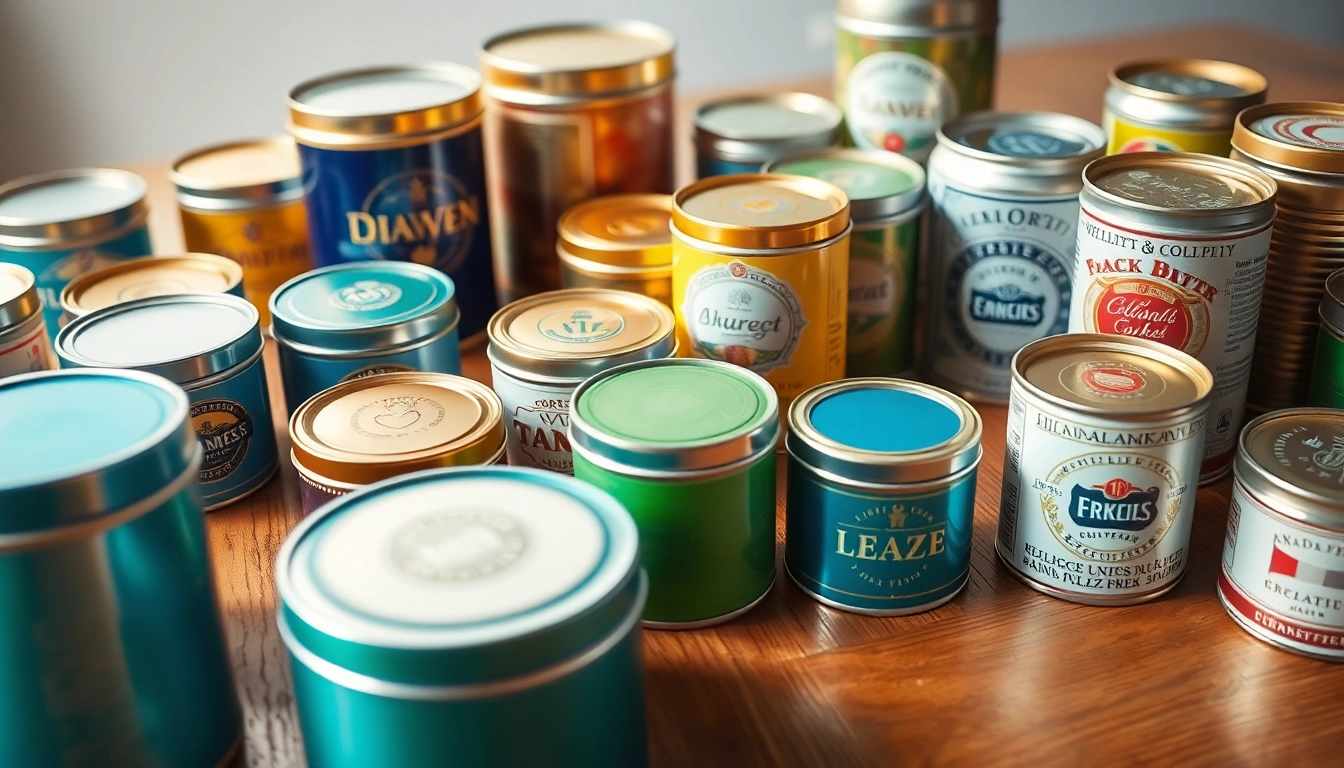
In an increasingly competitive market, brands must differentiate themselves through unique packaging solutions that resonate with consumers. Custom tins represent an innovative choice for product packaging, allowing brands to showcase their identity while ensuring product protection and sustainability. The versatility of custom tins provides endless possibilities for creative expression, from confectionery to cosmetics, and allows businesses to tailor their packaging to meet the needs of their target audience.
What are Custom Tins?
Custom tins are metal containers made from various types of tinplate and are designed for specific purposes, such as packaging food, cosmetics, or promotional gifts. Unlike standard packaging options, custom tins can be tailored in terms of shape, size, design, and usability features to align perfectly with the brand’s identity and product requirements. Brands can choose from a variety of lid styles, coatings, and printing techniques, resulting in a product that not only protects the contents but also acts as a marketing tool by capturing consumer attention.
Benefits of Custom Tins for Product Packaging
Utilizing custom tins for product packaging comes with several advantages:
- Brand Recognition: Custom tins can be printed with logos, colors, and graphics that reinforce brand identity, making them instantly recognizable.
- Durability: Made from tinplate, these cans provide strong protection against external elements, ensuring the contents remain safe and fresh.
- Recyclability: Tin is an environmentally friendly material; it is 100% recyclable, which appeals to eco-conscious consumers.
- Versatility: Tins can house a variety of products, from edible goods like chocolates to non-edibles such as candles, making them a versatile packaging solution.
- Enhanced Shelf Life: The properties of tinplate help in preserving product freshness by creating an effective barrier against oxygen and moisture.
How Custom Tins Enhance Brand Recognition
Custom tins elevate a brand’s presence in the marketplace by providing a unique packaging solution that stands out on the shelf. By incorporating distinct shapes and vibrant colors, brands can effectively communicate their values and aesthetics, leading to stronger emotional connections with consumers. The tactile quality of tin also adds a premium feel, which can significantly enhance consumer perception of the product and increase its desirability.
Customization Options to Explore
Available Shapes and Sizes for Custom Tins
One of the defining features of custom tins is the wide variety of shapes and sizes available. Brands can choose from:
- Round tins
- Square tins
- Rectangular tins
- Custom-shaped tins designed to fit specific products or themes
This flexibility allows businesses to differentiate their products based on packaging design, enabling them to cater to niche markets effectively.
Personalizing Design: Printing Techniques
Printing techniques play a pivotal role in the customization of tins. Brands can utilize methods such as:
- Offset Printing: Produces high-quality images and is ideal for intricate designs.
- Screen Printing: Offers vibrant colors and is often used for bold graphics.
- Digital Printing: Provides flexibility for smaller runs and allows for quick turnarounds on designs.
Each method has its advantages, and brands should select based on their specific needs, budget, and production run.
Functional Features: Lids and Coatings
In addition to aesthetics, custom tins can include various functional features to enhance user experience. Considerations for lids include:
- Screw Lids: Ideal for products requiring air-tight seals.
- Hinged Lids: Convenient for repeat access, often used in food tins.
- Slide-On Lids: Typically applied to gift tins that prioritize ease of use.
Moreover, special coatings can be added to the interior of the tins to safeguard contents against contamination and preserve product quality.
The Production Process of Custom Tins
Materials Used in Custom Tin Manufacturing
The primary material for custom tins is tinplate, a thin sheet of steel coated with a layer of tin. This material is favored for its:
- Corrosion resistance
- Durability
- Barrier properties against moisture and air
- Recyclability
The choice of tinplate ensures that the custom tins not only look appealing but also perform effectively in preserving the contents.
From Design to Delivery: The Production Timeline
The production process of custom tins generally involves several stages:
- Preparation: Selecting high-quality tinplate material best suited for the product.
- Printing: Utilizing advanced printing techniques to apply branding elements.
- Cutting: High-precision machines cut tinplate sheets into specified shapes.
- Punching: Components such as the body, lid, and bottom are punched out.
- Quality Control: Each batch undergoes strict inspections to eliminate defects.
- Assembly: The components are assembled, ensuring tight seals and functionality.
- Packaging: The finished tins are packaged securely for shipment.
This structured process guarantees that each custom tin meets stringent quality standards and is delivered on time.
Quality Control Standards for Custom Tins
Quality is paramount when producing custom tins, and it is ensured through rigorous testing at various stages of production. Quality control measures include:
- Visual inspections for defects in printing and material
- Functional testing of lids for proper sealing
- Durability tests to ascertain resistance to external damage
By adhering to high-quality standards, manufacturers can build trust with clients and enhance customer satisfaction.
Real-World Examples of Custom Tin Success
Case Studies of Brands Using Custom Tins
Numerous brands have successfully utilized custom tins to enhance their product offerings. For example:
- A confectionery company: Developed a series of seasonal tins that attracted consumers through visually stunning designs and reusability.
- A candle brand: Used custom tins to package its products, resulting in increased sales and positive customer feedback due to the premium feel of the tin.
These case studies emphasize the impact of custom tins on brand visibility and consumer engagement.
Industry-Specific Applications for Custom Tins
Custom tins find applications across various industries, including:
- Food and Beverages: Tins that preserve freshness and are ideal for snacks, teas, and gourmet items.
- Cosmetics: Elegant tins used for packaging skincare products enhance the perceived value of the brand.
- Promotional Items: Tins customized for corporate gifting that leave a lasting impression on clients.
This adaptability makes custom tins a favored choice for many sectors.
Consumer Feedback on Custom Tin Packaging
Feedback from consumers highlights a strong preference for custom tins due to their visual appeal and functionality. Many consumers appreciate the reusability of tins, often repurposing them for storage or decorative purposes. Additionally, the eco-friendly aspect of tin packaging resonates with environmentally conscious consumers, enhancing brand loyalty.
Future Trends in the Custom Tin Market
Sustainability in Custom Tin Production
As brands increasingly focus on sustainability, the demand for eco-friendly packaging solutions is projected to rise. The tin industry’s commitment to recycling and reducing waste will drive innovation in production methods, making custom tins a sustainable option for brands looking to appeal to environmentally conscious consumers.
Innovations in Design and Utility for 2025
The coming years are expected to bring advancements in design techniques and material sciences, allowing for even more bespoke customization. Brands may explore interactive packaging features, such as QR codes printed on tins that offer consumers additional product information or promotional content, thus enhancing customer engagement.
Predictions for Custom Tin Packaging Demand
Market analysts predict a steady increase in demand for custom tins as brands continue to recognize the importance of differentiated packaging. The growth of e-commerce is also likely to fuel this trend, as unique packaging can play a vital role in online branding strategies. Companies that invest in custom tins can expect to see a significant return on investment through enhanced brand loyalty and consumer engagement.