Enhancing Efficiency and Safety in Railroad Construction Projects
Understanding Railroad Construction
Overview of Railroad Construction Significance
Railroad construction serves as a crucial backbone for transportation infrastructure, facilitating the movement of goods and people across vast distances. This mode of transport is vital to both regional economies and global trade, allowing for efficient and cost-effective shipping methods. With rail networks encompassing thousands of miles, the significance of developing and maintaining these lines cannot be overstated. The integration of Railroad Construction into national economies proves its worth, contributing to job creation and supporting various industries, including manufacturing, agriculture, and logistics. As we explore the multifaceted world of railroad construction, we will uncover the core components and processes that help establish and enhance rail systems.
Key Components of Railroad Construction
Railroad construction involves several key components that work together to create a functional rail network. These elements comprise:
- Track Structure: The rails, ties, ballast, and subgrade form the fundamental structure of the railroad, ensuring safe and stable train operations.
- Infrastructure: This includes bridges, tunnels, signaling systems, and stations that support train movements and facilitate passenger and cargo handling.
- Rolling Stock: The trains themselves, including locomotives and cars, are vital for transporting commodities and passengers.
- Maintenance Facilities: Depots and repair shops are essential for maintaining the health of the railroad, ensuring operational efficiency and safety.
The Lifecycle of a Railroad Construction Project
The lifecycle of a railroad construction project can be broken down into several phases: conception, design, construction, operation, and maintenance. Each phase requires careful planning and execution, ensuring that the project meets safety, budget, and timeline requirements.
During the conception phase, feasibility studies and environmental assessments are conducted to determine the viability of the project. The design phase involves creating detailed engineering plans that outline the specifications and layouts needed for construction. The actual construction phase sees physical work being executed, which might take several years depending on the project’s scale. Once the railroad is operational, ongoing maintenance is crucial to addressing wear and tear, ensuring safety, and extending the lifecycle of the infrastructure.
Essential Equipment and Technologies in Railroad Construction
Heavy Machinery Utilized in Railroad Construction
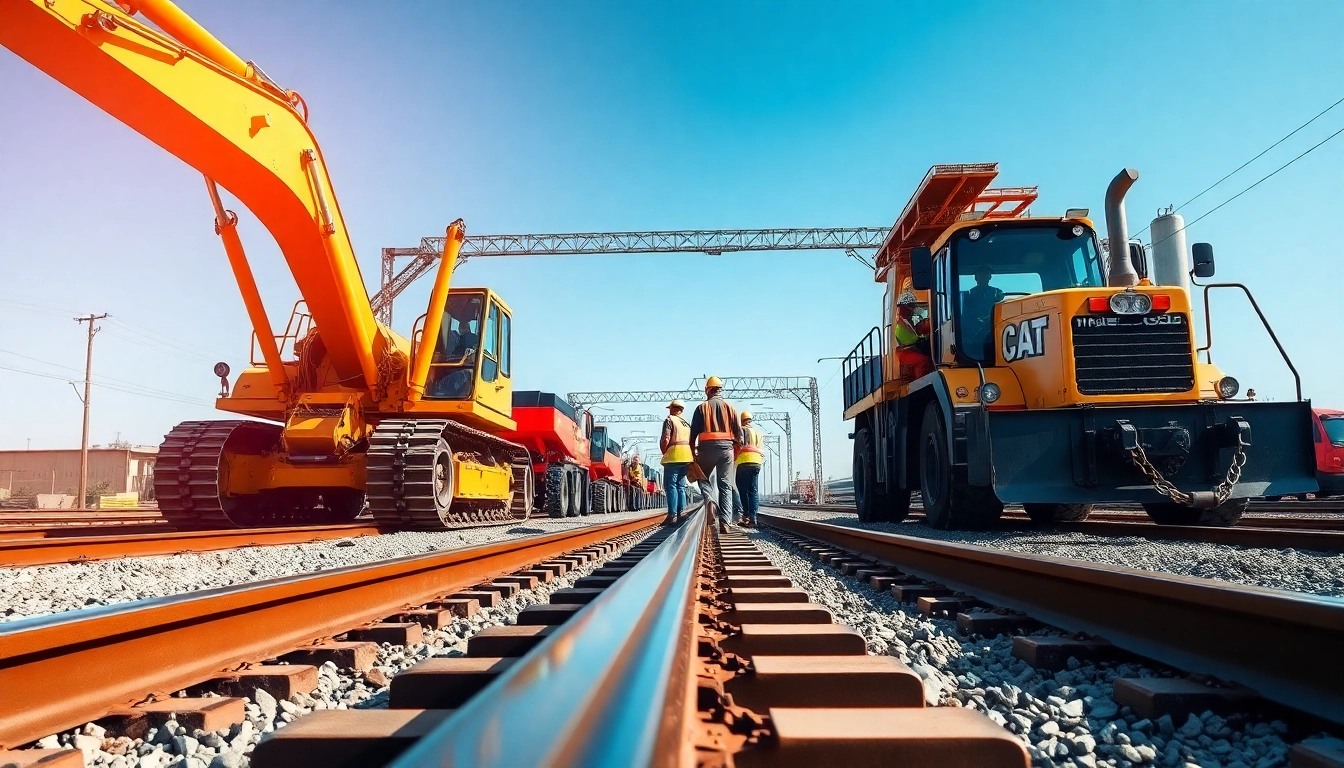
Heavy machinery plays an integral role in railroad construction, enabling various tasks to be completed efficiently and effectively. Some key equipment includes:
- Excavators: These are used for digging foundations, managing earthworks, and relocating materials.
- Bulldozers: Often used for clearing land and grading surfaces to prepare for the track bed.
- Railroad Cranes: Essential for lifting heavy materials such as rail sections and ties into place.
- Tie and Rail Inserters: Equipped for automatic installation, significantly speeding up track laying processes.
Innovative Technologies Enhancing Railroad Construction
Technological advancements are continuously transforming railroad construction. Some notable innovations include:
- Automated Track Inspection: Using drones and robotic systems for real-time monitoring of track conditions minimizes downtime.
- Building Information Modeling (BIM): This technology allows for detailed digital representations of railway projects, improving planning and reducing errors.
- 3D Printing: Used for creating complex components and parts that can be quickly manufactured and installed on-site.
Safety Equipment and Best Practices in Railroad Construction
Safety is paramount in railroad construction, necessitating stringent regulations and practices. Essential safety equipment includes:
- Personal Protective Equipment (PPE): Helmets, high-visibility vests, gloves, and safety boots are required to minimize risks.
- Signage and Barricades: Clear communication of hazards ensures that workers are aware of their surroundings.
- First Aid and Emergency Response Kits: Facilities on-site to promptly address any medical emergencies that may occur.
Best practices emphasize training staff on safety protocols, regular equipment inspections, and encouraging a culture of safety awareness throughout the workforce.
Design and Planning in Railroad Construction
Importance of Strategic Planning in Railroad Construction
Strategic planning is critical to the success of any railroad construction project. It establishes a clear vision, defines project objectives, and allocates resources efficiently. Effective planning ensures compliance with regulations and helps in mitigating risks. Engaging stakeholders early in the process fosters collaborative efforts, which can lead to better outcomes and fewer delays.
Design Considerations for Efficient Railroad Construction
The design phase involves numerous considerations that impact the efficiency and safety of railroad construction. Some Significant factors include:
- Geology and Geography: Understanding the land’s characteristics can prevent costly issues during construction.
- Track Geometry: Proper curvature radii, gradients, and alignment contribute to safe train operations.
- Right-of-Way Acquisition: Securing property and permits in advance facilitates smoother project execution.
Environmental Impact Assessment in Railroad Construction
Conducting environmental impact assessments (EIA) enables developers to identify potential negative effects of railroad construction on ecosystems and communities. The EIA process includes:
- Baseline Studies: Document existing ecological conditions and assess the potential impact.
- Mitigation Strategies: Propose actions to minimize adverse effects on wildlife and habitat.
- Regulatory Compliance: Ensure all environmental regulations and laws are observed throughout construction.
Engaging local communities in the assessment offers insights into public concerns and fosters goodwill.
Challenges in Railroad Construction
Common Obstacles in Railroad Construction Projects
Railroad construction projects encounter several challenges that can hinder progress, such as:
- Regulatory Hurdles: Navigating complex local, state, and federal regulations requires thorough understanding and planning.
- Budget Constraints: Cost overruns can lead to project delays and compromise safety and quality.
- Weather Conditions: Adverse weather can halt work and damage materials, necessitating contingencies in project timelines.
Mitigation Strategies for Railroad Construction Risks
Implementing proactive measures can help mitigate risks associated with railroad construction. These strategies include:
- Risk Assessment and Management: Regularly reviewing potential risks throughout the project’s lifecycle enhances preparedness.
- Stakeholder Engagement: Continuous communication with stakeholders can address concerns promptly and foster cooperation.
- Adaptive Planning: Being flexible allows teams to adjust timelines and approaches based on real-time feedback and conditions.
Case Studies of Successful Railroad Construction
Examining successful case studies highlights best practices and practical solutions. Examples include:
- High-Speed Rail Projects: Countries like Japan and France have effectively implemented high-speed trains through meticulously planned projects that prioritize safety and efficiency.
- Urban Transit Expansion: Cities have renovated and expanded rail systems to reduce congestion, enhance accessibility, and decrease environmental impacts.
Future Trends in Railroad Construction
Emerging Technologies in Railroad Construction
As the railroad industry evolves, emerging technologies play an ever-increasing role. Significant trends include:
- Smart Rail Systems: These utilize sensors and data analytics for optimizing performance and maintenance.
- Advanced Materials: Innovations in lightweight and durable materials reduce construction costs and enhance safety.
- Integrated Transportation Systems: Coordinating various modes of transport fosters a seamless travel experience, emphasizing interconnectivity.
Sustainable Practices for Railroad Construction
Sustainability in railroad construction is gaining momentum as stakeholders recognize the importance of eco-friendly practices. Efforts include:
- Recycling Materials: Repurposing old rails and ties reduces waste and conserves resources.
- Green Construction Methods: Implementing sustainable building practices minimizes pollution and visual impacts on landscapes.
- Renewable Energy Sources: Utilizing solar and wind power for rail operations decreases reliance on fossil fuels.
The Role of Automation in Future Railroad Construction
Automation is set to redefine railroad construction with tools like automated machinery and AI-driven project management. Benefits include:
- Increased Efficiency: Automated processes speed up construction and reduce labor costs.
- Enhanced Safety: Reducing human intervention in hazardous tasks minimizes the chances of accidents.
- Data-Driven Decision Making: AI and machine learning can predict and mitigate problems before they arise, creating a safer and more reliable construction process.
Frequently Asked Questions
What is the duration of a typical railroad construction project?
The duration varies based on project scope, but most railroad construction projects can take several months to several years to complete.
What skills are important in railroad construction?
Essential skills include project management, engineering knowledge, safety protocols, and hands-on experience with heavy machinery.
How does railroad construction impact the environment?
It can disrupt local ecosystems, wildlife habitats, and communities, necessitating careful planning and environmental assessments.
What types of materials are used in railroad construction?
Common materials include steel for rails, wood or concrete for ties, and gravel for ballast, all selected for durability and safety.
Are there public safety protocols for railroad construction sites?
Yes, strict safety measures, including signage, barriers, PPE, and training for workers, are mandatory to protect the public and employees.